360-Degree Experiences Explained: A Complete Overview
Dec 10, 2025
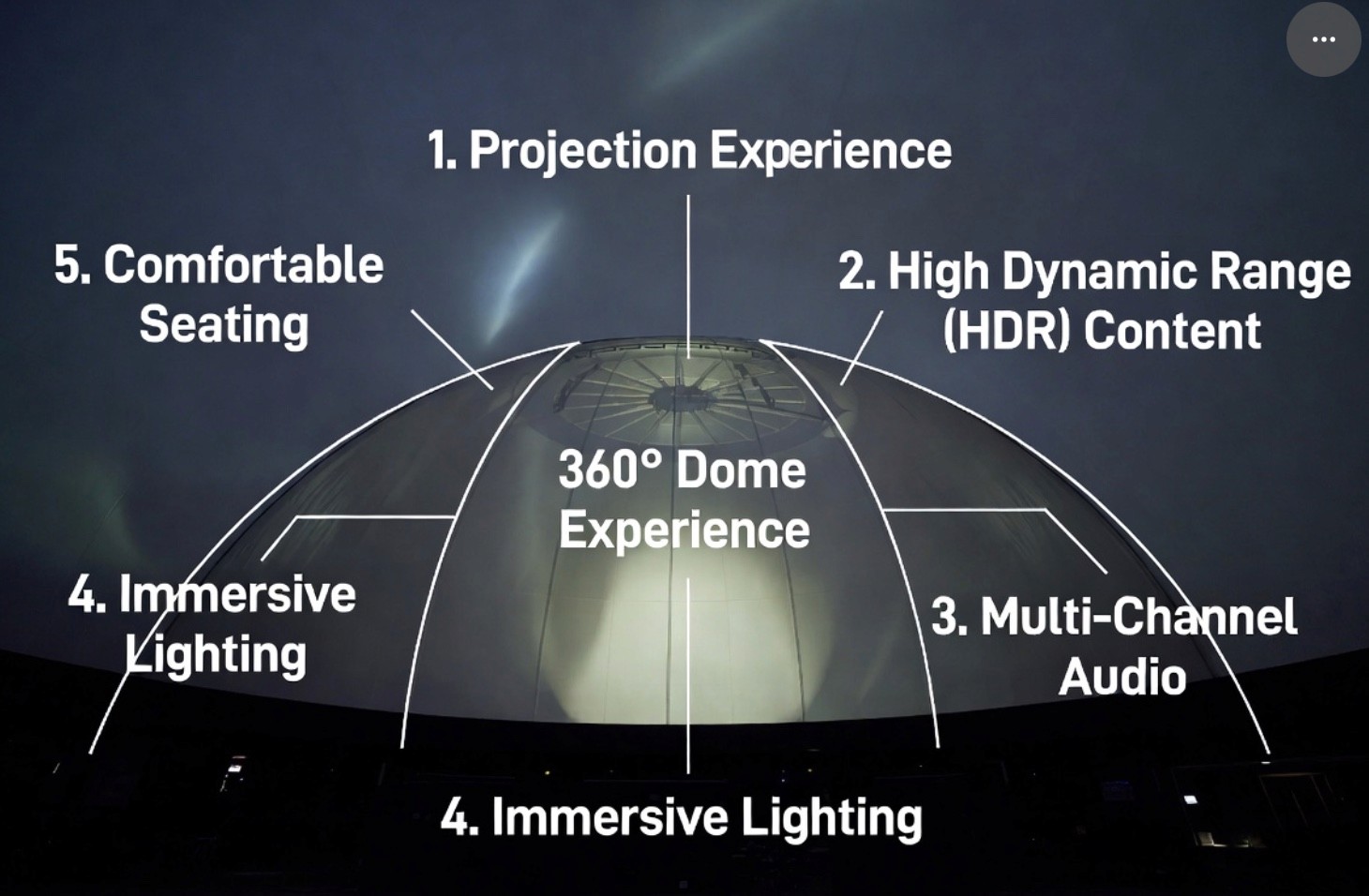
Are you struggling to captivate your audience in an increasingly digital world? This article will unravel the intricacies of 360-degree experiences, equipping you with strategies to create immersive, engaging environments that resonate with visitors. With research indicating that immersive experiences can boost engagement by up to 70%, understanding this innovative approach is essential for transforming destination experiences into memorable journeys.
Introduction to 360-Degree Experiences
360-degree experiences are transforming how audiences engage with content, offering immersive storytelling that captures attention and enhances understanding. These experiences can be categorized primarily into two types: 360-degree video and virtual reality (VR). The former utilizes real-world footage captured by specialized cameras, creating a partial immersion where users can rotate their view, but movement is limited to head rotation (3DoF). In contrast, VR offers a fully immersive digital environment, allowing users to interact with the space and objects around them (6DoF).
To access 360-degree content, users can utilize various platforms:
Mobile: The most common platform, where a smartphone acts as a 'window' into the 360-degree sphere, allowing users to look around by physically moving their device.
Desktop: Users can view 360-degree content by using a mouse or touch input to pan around the video.
Headsets: Ranging from budget options like Google Cardboard to premium, dedicated hardware like the Meta Quest or HTC Vive, headsets offer the most immersive experience by responding to the user's head movements.
The combination of these platforms enhances the accessibility and versatility of 360-degree experiences, making them a powerful tool for storytelling and engagement in various contexts.
Understanding the Mechanics of 360-Degree Experiences
360-degree experiences represent a significant evolution in content engagement, merging storytelling with immersive technology. These experiences allow users to explore environments in a way that traditional media cannot replicate. By enabling a panoramic view, they foster a deeper connection to the narrative, whether through 360-degree video or virtual reality (VR).
The mechanics behind these experiences involve three key processes:
Capture: The camera uses two or more wide-angle lenses to record everything in its surroundings simultaneously. Each lens captures over 180 degrees of the view.
Stitching: The camera's internal software automatically blends the footage from each lens. It identifies overlapping areas to create a single, seamless spherical video or image.
Output: The final result is often an equirectangular image, which is a flat, 2D representation of the 360-degree sphere, similar to how a world map represents the spherical Earth. This format is ready for viewing on various platforms.
Understanding these foundational elements is crucial for those looking to create or enhance immersive experiences. The blend of technology and storytelling not only captivates audiences but also transforms their understanding of content, making it a vital area for exploration in today’s digital landscape.
Technology Behind 360-Degree Experiences
The technology behind 360-degree experiences relies heavily on specialized cameras designed for immersive content capture. These cameras come in three main types:
Single-Lens Cameras: These utilize one wide-angle lens and are often more affordable, although they may require post-processing to create a full sphere (e.g., Ricoh Theta series).
Dual-Lens Cameras: The most common type, featuring two back-to-back lenses to capture a full 360-degree view in a single shot (e.g., GoPro Max, Insta360 X-series).
Multi-Lens Cameras: Used for professional-grade productions, these have four or more lenses to capture higher-resolution images that are stitched together (e.g., Insta360 Pro 2).
This variety allows creators to choose the right equipment based on their project needs, balancing cost and quality for optimal storytelling.
Key Elements of Immersive Design
Creating a compelling 360-degree experience hinges on three fundamental elements: immersion, presence, and performance.
Immersion involves crafting an environment that absorbs users, blurring the line between physical and digital realms. High-quality visuals and sensory engagement are critical for this effect.
Presence fosters the emotional sensation that users are genuinely 'there' in the virtual world, enhancing their connection to the experience.
Performance enables users to interact seamlessly with the environment, reinforcing their sense of agency and immersion, which is essential for meaningful engagement.
Strategies for Creating Impactful 360-Degree Experiences
Creating impactful 360-degree experiences hinges on a few essential strategies that enhance user engagement and immersion.
Start with a Story: A clear narrative provides a thematic through-line for the entire experience. The user should drive the story, but the designer acts as the gatekeeper, often using non-linear narratives to give the perception of control.
Create a Focal Point: While users can look anywhere, designers should still gently direct them to a specific point of value. The surrounding environment should add to the effect of that focal point.
Engage Multiple Senses: Go beyond visuals and consider what other human senses can be triggered to further immerse the user in the story.
Introduce Mystery: People are drawn to intrigue and unpredictability. Adding unexpected elements or things a user can uncover encourages deeper engagement.
Allow Multi-User Interaction: Shared experiences, whether in a multi-user VR environment or on a large interactive wall, encourage conversation and a deeper connection among participants.
Implementing these strategies can significantly elevate the quality of 360-degree experiences, making them not just visually stunning but also emotionally resonant and memorable. By weaving together storytelling, sensory engagement, and opportunities for collaboration, designers can create spaces where users feel genuinely involved and invested in the narrative.
Best Practices for Implementing 360-Degree Experiences
Common Mistakes to Avoid in 360-Degree Experience Design
Common mistakes in 360-degree experience design can significantly hinder user engagement and satisfaction.
Lack of a Clear Focal Point: Presenting a 360-degree view without guiding the viewer's attention can lead to confusion. Even with full freedom, there should be a primary subject or story element to focus on.
Ignoring User Comfort: Failing to optimize performance can result in low frame rates and high latency, major contributors to motion sickness in VR and 360-degree experiences.
Poor Interaction Design: In interactive experiences, a lack of feedback can confuse users. If a button is pressed and nothing happens, users may not know if the interaction is broken or unclear.
Neglecting Accessibility: Not considering factors like motion sickness prevention and inclusive design principles can create an experience that is not enjoyable or accessible for all users.
Addressing these issues can lead to more engaging and accessible immersive experiences.
Case Studies: Successful 360-Degree Experiences
Successful 360-degree experiences captivate audiences by immersing them in rich narratives and interactive environments. One exemplary case is Meow Wolf’s "The House of Eternal Return," where visitors can spend up to five hours exploring a labyrinth of art installations that blend storytelling with interactive elements. This engaging format not only enhances visitor retention but also fosters a deeper emotional connection to the artwork.
These experiences leverage technology to create multisensory environments that invite exploration. By integrating visual art, sound, and tactile interactions, they transform passive viewing into active participation. The success of such projects demonstrates the potential for 360-degree experiences to redefine engagement across various sectors, including tourism, education, and entertainment.
As audiences increasingly seek meaningful interactions, the demand for immersive experiences will likely continue to rise. Organizations that harness this trend can elevate their offerings, ensuring that they stand out in a crowded market. The combination of art and technology in 360-degree formats not only enriches the visitor experience but also opens new avenues for storytelling and cultural expression.
Meow Wolf: The House of Eternal Return:
Visitors spend up to five hours exploring the immersive art experience. (Atlas Obscura)
Conclusion: The Future of 360-Degree Experiences
The future of 360-degree experiences is poised for remarkable growth, driven by technological advancements and increasing consumer demand. The 360-degree camera market, valued at USD 1.41 billion in 2023, is projected to expand at an impressive 24.5% CAGR from 2024 to 2032. This growth reflects a broader trend across various industries seeking immersive content to enhance engagement and storytelling.
As immersive technologies evolve, the lines between physical and virtual realities will blur. This shift will significantly alter how individuals interact with media, enhancing everyday experiences. The potential for educational applications, entertainment, and even social interactions is vast, suggesting that 360-degree experiences will become integral to our cultural fabric.
Investors and creators alike should be prepared for this transformation, as the demand for innovative, engaging content continues to rise. The ability to create compelling narratives through immersive environments will be crucial for brands looking to capture audience attention in an increasingly competitive landscape. As one expert noted, "Immersive virtual reality unites the physical world with the virtual one, although in a few years, the distinction between both spaces, virtual and physical, will be almost impossible, so much so that the daily lives of millions of people will change radically." (Telefónica)
Frequently Asked Questions
What are the main benefits of 360-degree experiences?
360-degree experiences enhance engagement by providing immersive storytelling, allowing users to explore environments interactively, fostering deeper emotional connections to the content.
How do I create a 360-degree video?
To create a 360-degree video, use a dual-lens camera to capture footage, then stitch the images together using specialized software to produce a seamless spherical video ready for viewing.
What is the difference between 360-degree video and virtual reality (VR)?
360-degree video offers limited interactivity and is viewed in a fixed environment, while VR provides a fully immersive experience where users can interact with and manipulate objects in a digital space.
How can businesses utilize 360-degree experiences?
Businesses can leverage 360-degree experiences for marketing campaigns, virtual tours, product demonstrations, and educational content to enhance customer engagement and drive brand loyalty.
What are common challenges in implementing 360-degree experiences?
Common challenges include ensuring user comfort to prevent motion sickness, maintaining high-quality visuals, and creating intuitive interaction designs that enhance user experiences.
Sources & References
Related Articles
Check out these related articles for more information:
immersive storytelling - Directly connects the article's focus on 360-degree immersive experiences to a comprehensive resource on how immersive technology revolutionizes storytelling.
dome films - Provides readers with a specific application of immersive 360-degree technology in dome theater environments, deepening their understanding of implementation.
emotional sensation - Links the concept of presence and emotional connection in 360-degree experiences to the science behind transformation through immersive education.
immersive experiences - Connects readers to the homepage showcasing real-world examples of 360-degree immersive storytelling in destination contexts.
storytelling and engagement - Provides context about the company's mission and approach to immersive storytelling, helping readers understand practical applications of the concepts discussed.