Complete Guide to How Vision 2030 is Transforming Saudi Tourism
Dec 8, 2025
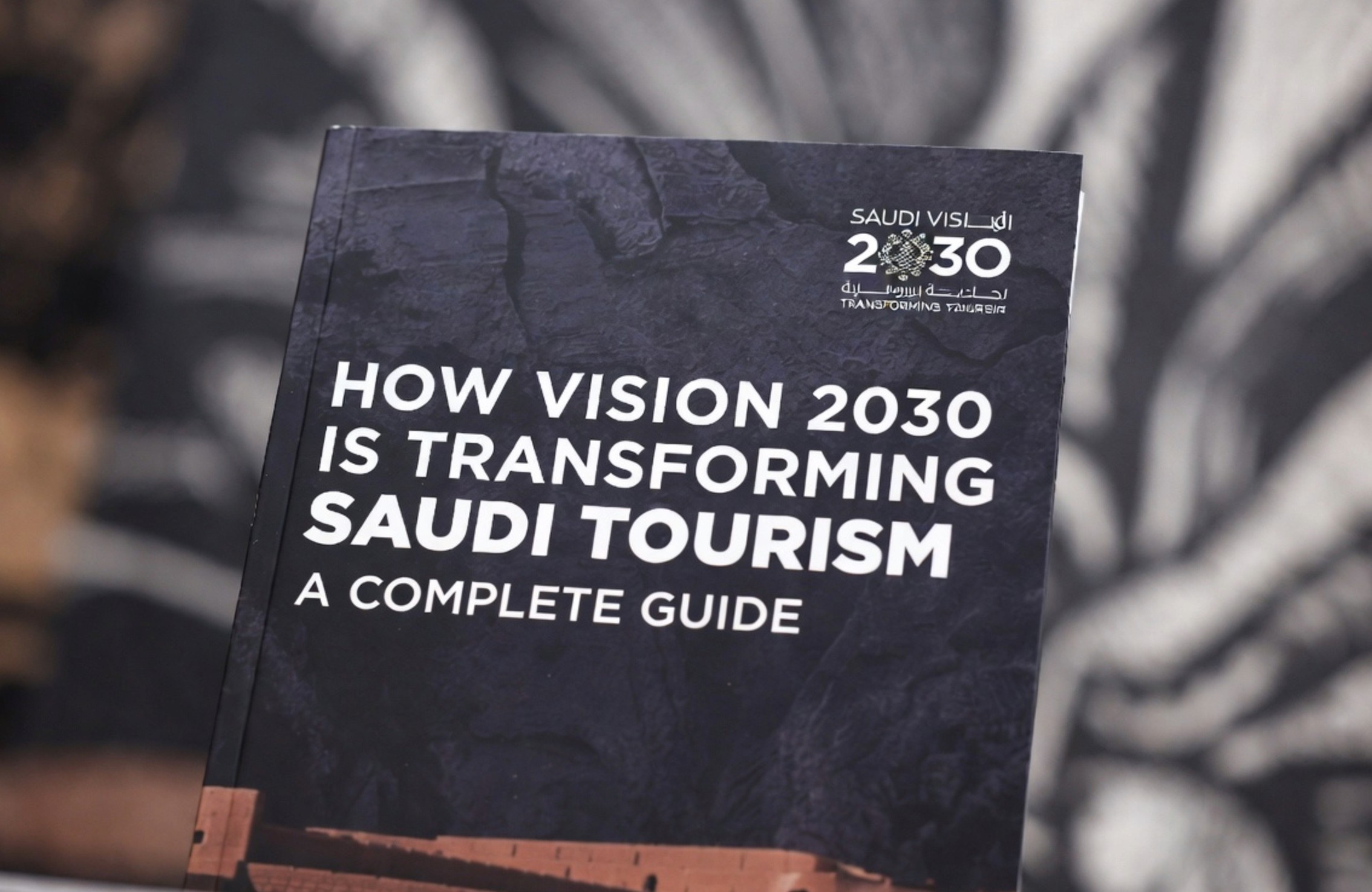
Are you wondering how Saudi Arabia is reshaping its tourism landscape to compete on a global scale? This guide will unveil the transformative initiatives under Vision 2030, highlighting how the country aims to increase tourism's contribution to GDP from 3% to 10% by 2030. Dive in to discover groundbreaking projects like NEOM and the Red Sea Project, which are set to redefine the travel experience in the region.
Introduction to Vision 2030 and Saudi Tourism
In recent years, Saudi Arabia has embarked on an ambitious journey to redefine its tourism landscape through Vision 2030. This initiative aims to diversify the economy and reduce dependency on oil by enhancing the tourism sector's contribution to the national GDP. In 2023, the tourism sector grew by over 32%, contributing a record-breaking SAR 444.3 billion ($118.4 billion) to the nation's GDP, representing 11.5% of the entire economy.
The Kingdom achieved a significant milestone by welcoming 100 million tourists in 2023, seven years ahead of its original 2030 schedule. This rapid growth not only showcases the effectiveness of Vision 2030 but also highlights the nation's commitment to becoming a premier global tourism destination. The transformation is marked by investments in cultural and historical sites, luxury resorts, and innovative experiences that cater to diverse traveler interests. The future of Saudi tourism looks promising as it continues to attract visitors from around the world, eager to explore its rich heritage and vibrant culture. (WTTC)
Key Objectives of Vision 2030 in Tourism
Saudi Arabia's Vision 2030 outlines ambitious objectives for transforming its tourism sector, aiming to position the Kingdom as a leading global destination. Key goals include attracting 150 million visitors annually by 2030, raising the tourism sector's contribution to the national GDP to 10%—with projections suggesting it could reach nearly 16% by 2034.
The initiative also targets the creation of one million new jobs within the tourism sector, increasing total employment to 1.6 million. A significant focus is on international tourism, with the goal that 70% of the projected 150 million visitors will come from abroad.
In 2023, Saudi Arabia welcomed 27.4 million international tourists, who spent SAR 141.2 billion, reflecting the Kingdom's commitment to achieving its tourism objectives while enhancing the visitor experience and expanding economic opportunities (SPA). The growth indicates a robust trajectory toward realizing these goals, supported by investments in infrastructure, cultural sites, and innovative experiences tailored to diverse traveler interests. The comprehensive strategy under Vision 2030 not only aims to diversify the economy but also to promote cultural exchange and understanding, ensuring that tourism plays a pivotal role in the Kingdom's future.
Transformative Projects and Developments
Saudi Arabia's Vision 2030 is a transformative initiative aimed at reshaping the nation's tourism sector, driving economic diversification and sustainable growth. This ambitious plan has already led to remarkable developments that enhance the Kingdom's appeal as a global tourism destination. In 2023 alone, the tourism sector experienced an impressive growth of over 32%, contributing SAR 444.3 billion ($118.4 billion) to the GDP.
Key projects under Vision 2030 exemplify this transformation. Notable developments include NEOM, a $500 billion futuristic city designed as a living laboratory for innovation, and The Red Sea Project, a luxury tourism destination across 90 islands that prioritizes environmental sustainability. Al-Ula aims to preserve 200,000 years of history, while Qiddiya focuses on entertainment and sports near Riyadh. Lastly, Diriyah, home to the UNESCO World Heritage site of At-Turaif, showcases Saudi history and culture. These projects collectively represent a bold reimagining of Saudi tourism, positioning the Kingdom for future growth and global recognition.
NEOM: The Futuristic City
NEOM represents a groundbreaking vision in urban development, showcasing three key projects:
THE LINE: A 170 km long, 200-meter-wide linear city designed without roads or cars, aiming for zero emissions and powered entirely by renewable energy, accommodating 9 million residents.
OXAGON: An innovative octagonal floating industrial city, projected to be the world's largest floating industrial complex, focusing on advanced, clean industries and logistics.
TROJENA: A unique mountain tourism destination featuring year-round skiing, a man-made freshwater lake, and various adventure sports, set to host the 2029 Asian Winter Games.
"The designs revealed today for the city's vertically layered communities will challenge the traditional flat, horizontal cities and create a model for nature preservation and enhanced human livability." - His Royal Highness Crown Prince Mohammed bin Salman (Arabian Business)
The Red Sea Project: Luxury and Sustainability
The Red Sea Project exemplifies a commitment to luxury and sustainability in Saudi Arabia's Vision 2030. Its goals include not just minimizing environmental impact but also enhancing ecosystems through active restoration efforts. Initiatives focus on habitat restoration and biodiversity enhancement to repair past damage while ensuring community engagement to share economic benefits equitably. The project aims for long-term sustainability, creating destinations that preserve natural and cultural resources for future generations. By 2040, Red Sea Global targets a 30% net conservation benefit across its destinations.
Al-Ula: Preserving Heritage
Al-Ula is at the forefront of Saudi Arabia's Vision 2030, with a transformative 15-year program aimed at developing its core historical area. This initiative is backed by a substantial USD 15 billion investment, dividing the 20km heart of Al-Ula into five districts: AlUla Old Town, Dadan, Jabal Ikmah, Nabataean Horizon, and Hegra Historical City. By 2035, the project is expected to create 38,000 new jobs and contribute USD 32 billion (SAR 120 billion) to the Kingdom's GDP. Additionally, the establishment of the Kingdoms Institute will focus on preserving 200,000 years of history through archaeological and conservation research.
Impact on Local Communities and Economy
The impact of Vision 2030 on local communities and the economy is profound, as the tourism sector has become a critical driver of job creation and economic diversification. In 2023, the travel and tourism sector supported over 2.5 million jobs, representing almost one in five jobs in the country. This marked an increase of 436,000 jobs from the previous year, showcasing the sector's rapid growth and potential for further expansion.
Domestic tourism also plays a vital role, with 81.9 million local tourists spending SAR 114.4 billion in 2023. This infusion of capital not only bolsters local businesses but also enhances the overall quality of life for residents. As the sector continues to evolve, forecasts suggest that by 2034, it could contribute SAR 836.1 billion to the GDP and employ more than 3.6 million people, solidifying its position as a cornerstone of the Saudi economy (WTTC).
Role of Technology and Innovation
The role of technology and innovation in transforming Saudi tourism is pivotal to achieving the goals of Vision 2030. A cornerstone of this transformation is the E-Visa Program, which has expanded to include 66 countries, simplifying travel for millions and significantly boosting tourist numbers.
In addition to easing entry, the 'Visit Saudi' Platform serves as a centralized hub for information and services, enhancing the overall tourist experience by providing essential resources at their fingertips. Complementing this is the launch of an AI Tourism Assistant, named "Sarah," which offers personalized guidance and support to visitors, making their journeys smoother and more enjoyable.
Moreover, ambitious projects like NEOM highlight the Kingdom's commitment to innovation. Built on a smart city framework, NEOM integrates advanced technologies such as AI, robotics, and autonomous mobility. This approach not only optimizes urban living but also enhances efficiency in various sectors, including tourism.
By embracing these technological advancements, Saudi Arabia is not only reshaping its tourism landscape but also positioning itself as a global leader in innovative travel experiences. The Kingdom's focus on leveraging technology is expected to sustain the impressive growth witnessed in the tourism sector, ultimately fulfilling its Vision 2030 objectives.
This strategic integration of technology significantly contributes to the sector's expansion, with the tourism industry growing over 32% in 2023, reflecting the effectiveness of these initiatives (Source Name).
Challenges and Opportunities
The transformation of Saudi tourism through Vision 2030 presents both challenges and significant opportunities for the Kingdom. Economic diversification is a crucial aspect, with tourism emerging as a pivotal force in reducing the country's dependence on oil. This shift is essential for fostering a resilient economy and creating new job opportunities across various sectors.
Traveler demand is also evolving. A 2023 report highlighted that 76% of global travelers wish to travel more sustainably, with 66% wanting to leave destinations better than they found them. This aligns with projects like Red Sea Global, which aim to foster sustainable tourism practices that resonate with the values of today's conscious travelers.
Moreover, hosting major global events such as Expo 2030 and the FIFA World Cup 2034 offers a unique platform to showcase the new tourism landscape. These events not only attract international attention but also provide a chance to demonstrate the Kingdom's commitment to innovation, culture, and hospitality. By leveraging these opportunities, Saudi Arabia can position itself as a leading destination on the global tourism map, enhancing its appeal and driving further investments in the sector.
In 2023, the tourism sector grew by over 32%, contributing a record-breaking SAR 444.3 billion ($118.4 billion) to the nation's GDP, representing 11.5% of the entire economy. (Source)
Future Outlook for Saudi Tourism
The future outlook for Saudi tourism is increasingly optimistic, driven by the ambitious goals set forth in Vision 2030. The Kingdom aims to enhance its appeal as a premier global destination, with projections indicating the tourism sector's GDP contribution will reach SAR 498 billion in 2024. This trajectory is supported by a remarkable 73% increase in international tourist arrivals during the first seven months of 2024 compared to the same period in 2019, showcasing the sector's sustained momentum.
As the nation invests heavily in infrastructure, cultural preservation, and luxury accommodations, travelers can expect a unique blend of modern facilities and rich heritage. The ongoing transformation is not just about quantity; it’s about quality and experience.
"Saudi Arabia is not just catching up; it is setting a new global standard. Travelers will find a rare mix of cutting-edge facilities, rich heritage, and stunning landscapes in one destination. It's a place where tomorrow's tourism is already unfolding today." - Travel-Tomorrow Report (August 2025) (Travel-Tomorrow)
With these developments, Saudi Arabia is poised to become a significant player in the global tourism market, attracting diverse travelers and enhancing its cultural footprint.
Conclusion: Vision 2030's Legacy in Tourism Transformation
The legacy of Vision 2030 in transforming Saudi tourism is already evident, with substantial impacts anticipated for years to come. By 2034, projections indicate that one in five jobs in the Kingdom will be in the travel and tourism sector, solidifying its position as a cornerstone of Saudi Arabia's diversified economy. This shift not only aims to create employment opportunities but also to foster a deeper connection between the Kingdom's rich cultural heritage and modern tourism experiences.
The remarkable growth of over 32% in the tourism sector in 2023, alongside the achievement of welcoming 100 million visitors—seven years ahead of schedule—demonstrates the effectiveness of Vision 2030. This rapid transformation is a testament to the strategic investments made in infrastructure, luxury resorts, and cultural sites, which cater to a wide range of travelers. As the Kingdom continues to enhance its tourism offerings, it is poised to become a leading global destination, attracting diverse audiences and encouraging sustainable practices that benefit local communities.
In summary, Vision 2030 is not merely a plan; it is a robust framework that is reshaping the tourism landscape in Saudi Arabia, ensuring that the sector plays a vital role in the nation’s economic future. This transformation will leave a lasting legacy, positioning Saudi Arabia as a hub for cultural exchange and tourism innovation.
Frequently Asked Questions
What is the primary goal of Vision 2030 for Saudi tourism?
The primary goal is to diversify the economy by enhancing tourism's contribution to GDP, targeting 150 million annual visitors and increasing the tourism sector's GDP share to 10%, potentially reaching 16% by 2034.
How has technology impacted Saudi tourism under Vision 2030?
Technology has significantly improved tourism through initiatives like the E-Visa Program and the 'Visit Saudi' Platform, which simplify travel and enhance visitor experiences, contributing to over 32% growth in the sector in 2023.
What are some key projects under Vision 2030 that are transforming Saudi tourism?
Key projects include NEOM, The Red Sea Project, Al-Ula, Qiddiya, and Diriyah, each focusing on sustainability, luxury, cultural preservation, and innovative tourism experiences, significantly enhancing the Kingdom's appeal.
How does Vision 2030 aim to support local communities through tourism?
Vision 2030 aims to create one million new tourism jobs, enhance local businesses, and improve quality of life by ensuring that tourism growth benefits the local economy and fosters cultural exchange.
What challenges does Saudi tourism face in achieving Vision 2030 goals?
Challenges include evolving traveler demands for sustainability, the need for infrastructure development, and the Kingdom's shift away from oil dependency, which requires strategic investments and innovative tourism practices.
Sources & References
Related Articles
Check out these related articles for more information:
Diriyah, home to the UNESCO World Heritage site of At-Turaif - Direct link to Diriyah project page provides readers with deeper exploration of this specific Vision 2030 development mentioned in the article.
investments in infrastructure - Connects readers to detailed resource on tourism infrastructure partnerships relevant to Vision 2030's massive development projects.
innovative experiences - Links to immersive technology article that aligns with Vision 2030's focus on creating cutting-edge tourism experiences.
diverse traveler interests - Provides context on meaningful travel experiences that support Vision 2030's goal of attracting and satisfying international visitors.
cultural exchange and understanding - Deepens discussion of how immersive education transforms tourists into advocates, supporting Vision 2030's cultural promotion goals.