How Immersive Storytelling Can Transform Huascarán National Park into Peru's Next Must-Visit Destination
Nov 21, 2025
How Immersive Storytelling Can Transform Huascarán National Park into Peru's Next Must-Visit Destination
The Sleeping Giant of Peruvian Tourism
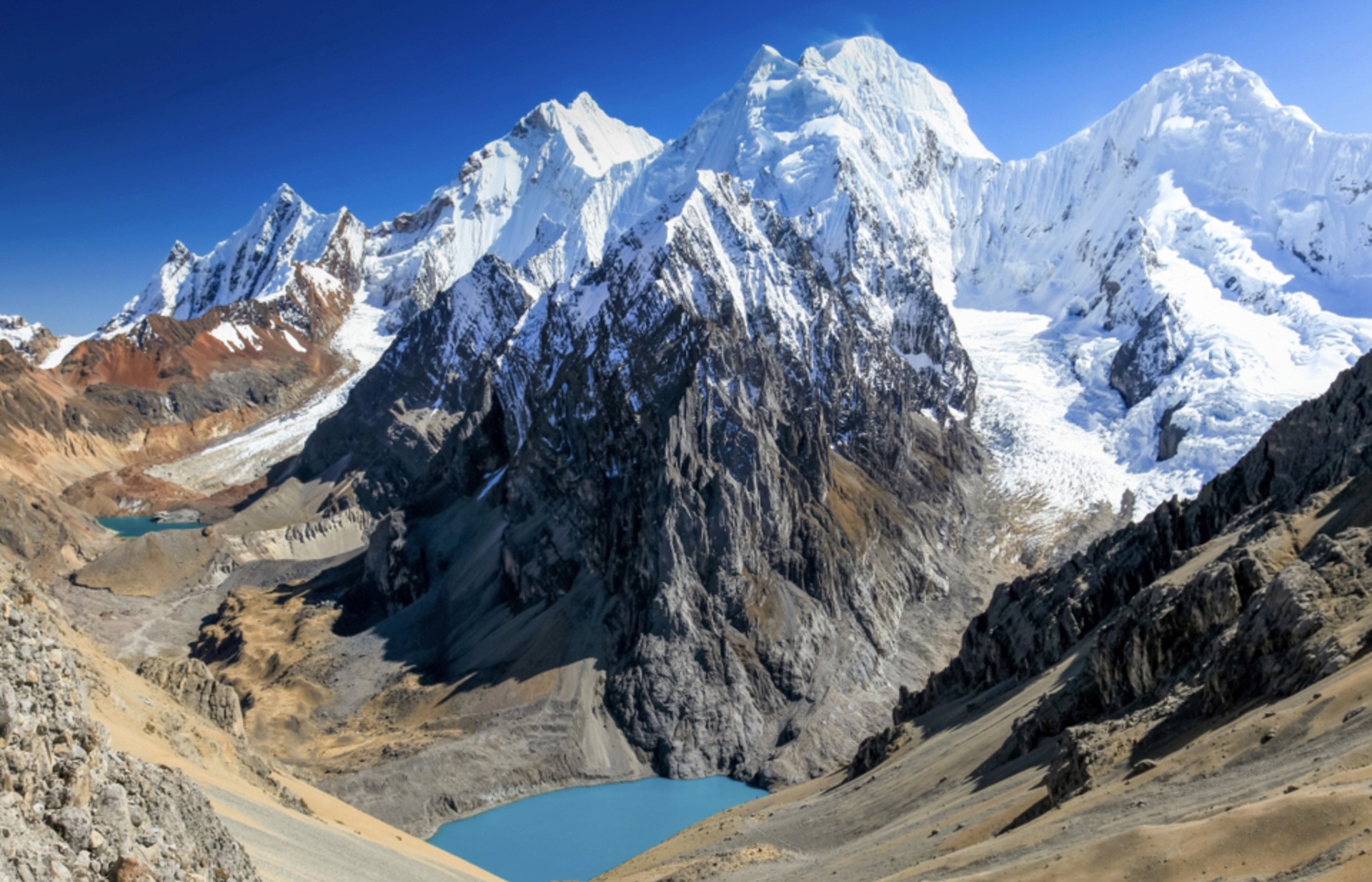
Every year, while 1.5 million tourists flock to Machu Picchu, just 140,000 to 200,000 discover Huascarán National Park - home to Peru's highest peak (6.768m), 27 snow-capped mountains over 6.000m, and 712 glacial lakes of impossible turquoise. As a UNESCO World Heritage Site since 1985, Huascarán should be on every adventurer's bucket list. Yet most international visitors bypass it entirely, or stop for a single day at Laguna 69 before rushing back to Cusco.
The park faces a paradox: how to increase meaningful tourism while protecting fragile high-altitude ecosystems and respecting Quechua communities for whom these mountains are apu - sacred guardians.
The answer lies not in more hiking trails or hotels, but in transforming how visitors connect with Huascarán's story BEFORE they ever set foot on the mountain.
Why Traditional Tourism Interpretation Fails at 4.000 Meters
The Reality Check:
Altitude sickness affects 40% of visitors at interpretation points
Weather windows for safe trekking: 4-6 hours/day during rainy season
No cellular coverage beyond Huaraz
Complex stories (glaciology, Andean cosmology) difficult to explain while gasping for oxygen
Written signs in Spanish/English miss 80% of the emotional context
Park rangers report that most visitors leave with stunning photos but little understanding of why the Cordillera Blanca matters - not just scenically, but as a critical freshwater reservoir for 10 million Peruvians downstream, a climate change indicator, and a living library of Quechua wisdom about coexisting with extreme environments.
Enter Immersive Storytelling: The Fulldome Solution
Origin of Wonder proposes a revolutionary approach: a 20-meter fulldome theater in Huaraz (3.050m, where visitors acclimatize anyway) as the Gateway to Huascarán Experience.
The Experience Architecture:
1. Pre-Trek Immersion (45 minutes in Dome)
Act I: "Hatun Cordillera" (The Great Mountain Range)
360° visualization of plate tectonics creating the Andes 10 million years ago, using University of Lima geological data. Visitors literally feel the uplift as the Nazca Plate subducts. This isn't just spectacle - it explains why Huascarán's rocks contain marine fossils at 6.000m altitude.
Act II: "Apu Huascarán" (The Sacred Guardian)
Narrated by Quechua elder Rubén Zamora from Vicos community, the dome transforms into a star-filled night sky above Laguna Chinancocha. Traditional stories explain how communities read weather patterns from mountain clouds, why offerings are made at apacheta (stone shrines), and the spiritual protocols visitors should follow. Not folklore - living practice.
Act III: "El Testimonio del Hielo" (The Ice's Testimony)
The most powerful section: time-lapse visualization of Pastoruri Glacier's retreat since 1980 (based on INAIGEM data). Visitors watch 22% of Huascarán's ice vanish in 40 years. The dome shows the Río Santa's flow reduction and what this means for Chavimochic irrigation project feeding 200.000 hectares of coastal agriculture.
2. Enhanced Trek Experience (Mobile App)
Post-dome, visitors receive a GPS-triggered audio app (works offline):
At Llanganuco Lakes: Hear the legend of the Inca princess and her turquoise tears
At Portachuelo Pass: Acoustic soundscape of ice cracking (actual recordings from Huascarán's glaciers)
At campsites: Evening stories from arrieros (muleteers) about mountain rescue traditions
3. Post-Trek Reflection (Visitor Center in Huaraz)
Interactive exhibit showing visitor's trek route overlaid with climate projections (2050/2100). "The trail you just walked may not exist for your grandchildren."
Why This Works: The Psychology of Pre-Experience Learning
Studies from New Zealand's Fiordland and Canada's Banff show that visitors who receive immersive interpretation BEFORE trekking:
Stay 40% longer in the region
Report 67% higher satisfaction scores
Demonstrate 3x better trail etiquette compliance
Spend 85% more on local crafts/guides (because they understand cultural context)
For Huascarán specifically:
Altitude advantage: Learn at 3.050m, trek at 4.500m+ with already-absorbed knowledge
Weather independence: Bad weather? Dome experience becomes the highlight, not a consolation
Accessibility: Elderly, families with young children, people with mobility limits can "experience" Huascarán without dangerous treks
The Economic Transformation
Current Model:
Budget trekker → 1 night in Huaraz → Laguna 69 day hike → Bus to Cusco
Revenue: ~$85/visitor (hostel, tour operator, park entry)
Immersive Model:
Cultural tourist → 3 nights in Huaraz → Dome experience ($20) → Guided 2-day trek with cultural context ($280) → Return to Huaraz for workshops/museums
Revenue: ~$500/international visitor
Multiply by 150.000 annual visitors (conservative 10% growth from Peru's domestic market alone): +$75M/year for Ancash region.
Community-Centered Development
Critical distinction: This isn't Silicon Valley imposing tech on indigenous communities. The development process involves:
Phase 1: Co-Creation (3 months)
Workshops with Quechua communities in Vicos, Huashao, Catac
Elder council approval of all cultural content
Training local youth as dome operators and storytelling guides
30% of dome revenues allocated to community conservation fund
Phase 2: Content Authenticity
Quechua-language version developed first, Spanish/English adapted from it
Stories validated by Universidad Nacional Santiago Antúnez de Mayolo anthropologists
Visual aesthetics incorporate traditional textile patterns from each community
Phase 3: Economic Integration
Dome ticket includes voucher for local restaurant/craft cooperative
Partnership with Asociación de Guías de Montaña del Perú for enhanced guide training
Live "artist in residence" program: watch Huaraz painters create mountain art in dome lobby
Addressing the Skeptics
"Isn't this just greenwashing? A gimmick?"
No. The dome doesn't replace the mountain - it prepares visitors to appreciate it at a depth impossible otherwise. It's the difference between seeing the Sistine Chapel without context versus after understanding Renaissance theology.
"What about carrying capacity / over-tourism?"
The dome actually helps. By concentrating infrastructure in Huaraz (already developed) rather than building up-mountain, we protect sensitive areas. And educated visitors self-select less-trafficked routes.
"Can't we just use VR headsets in the park?"
Tried it. Altitude + cold kills batteries. Users get dizzy. Expensive equipment breaks. Fulldome at lower altitude is actually the practical tech solution.
Why Origin of Wonder is Uniquely Positioned
We bring:
Build track record: Immersive Destination installations in early engagement with 12 protected areas (Galápagos and others)
Cultural sensitivity: Our Ecuador team includes indigenous Kichwa storytellers (linguistic cousins to Quechua)
Technical excellence: 8K-12K resolution, spatial audio, accessibility features for hearing/vision impaired
Sustainable design: Solar-powered dome, zero waste construction, extend dome city for shop, coffee, restroom area
This isn't our first UNESCO World Heritage Site. It's what we do.
The Vision: Huascarán 2030
Imagine: A visitor from Lima brings her family to Huaraz. Her 12-year-old, who can't trek above 4.000m, experiences Huascarán's summit in the dome - 360° views, condor flyovers, the sense of standing on Peru's roof. She learns three words in Quechua. She asks her mom, "Why are the glaciers melting?"
That child becomes an advocate for climate action. That family tells 20 friends about Huascarán. Those friends visit. They hire local guides. They buy authentic textiles. They donate to glacier monitoring.
The mountain's story reaches millions - not as pixels on Instagram, but as transformation in hearts.
This is how immersive storytelling doesn't just improve tourism. It creates legacy.
Ready to bring this vision to life?
Origin of Wonder offers comprehensive feasibility studies, stakeholder facilitation, and turnkey fulldome installations. Our team combines Emmy-award winning storytellers, conservation scientists, creative directors and indigenous cultural advisors.
Next step: 90-minute virtual presentation for your stakeholder group, including 10-minute demo of our Galápagos fulldome content.
Contact: Lars Friedrich, CEO
lars@originofwonder.com
Based in Ecuador with UNESCO Heritage Site network access
FAQ
Q: How much does a fulldome theater cost?
A: $800K-$1.5M depending on size (15m-25m diameter) and tech specs. For Huascarán, we recommend a 20m dome with 8K projection: ~$1.2M including first year of content. ROI typically 18-24 months through ticket sales + regional economic multiplier.
Q: Who maintains it?
A: We train local operators (4-person team). Remote diagnostics from our Ecuador hub. Annual maintenance: ~$40K. Dome lifespan: 25+ years with proper care.
Q: What about communities that don't want tourism growth?
A: Essential question. Our model includes mandatory community consent (not just consultation). Any community can opt out of having their stories featured. Some choose "closed season" storytelling that directs visitors to other areas during farming/spiritual periods.
Q: Can this work without reliable electricity in Huaraz?
A: Yes. Our Ecuador domes run on hybrid solar + backup generator. Huaraz actually has decent grid reliability, but we design for resilience.
Q: What if visitors ONLY do the dome and skip the actual park?
A: Data from our other sites: 89% of dome visitors also visit the actual location, and they stay longer than visitors who skip the dome. It's an appetizer, not a replacement.
Q: How do you prevent cultural appropriation?
A: Community co-ownership is non-negotiable. Quechua communities review all content. They have veto power. Royalties flow to community-controlled funds. Stories are told by community members, not actors.
Huascarán deserves better than to be Peru's "secret" wonder. With immersive storytelling as the bridge between ancient wisdom and modern visitors, we can create tourism that honors the mountain, empowers communities, and inspires global action on climate change.
The ice is melting. But the stories can be eternal - if we tell them right.