
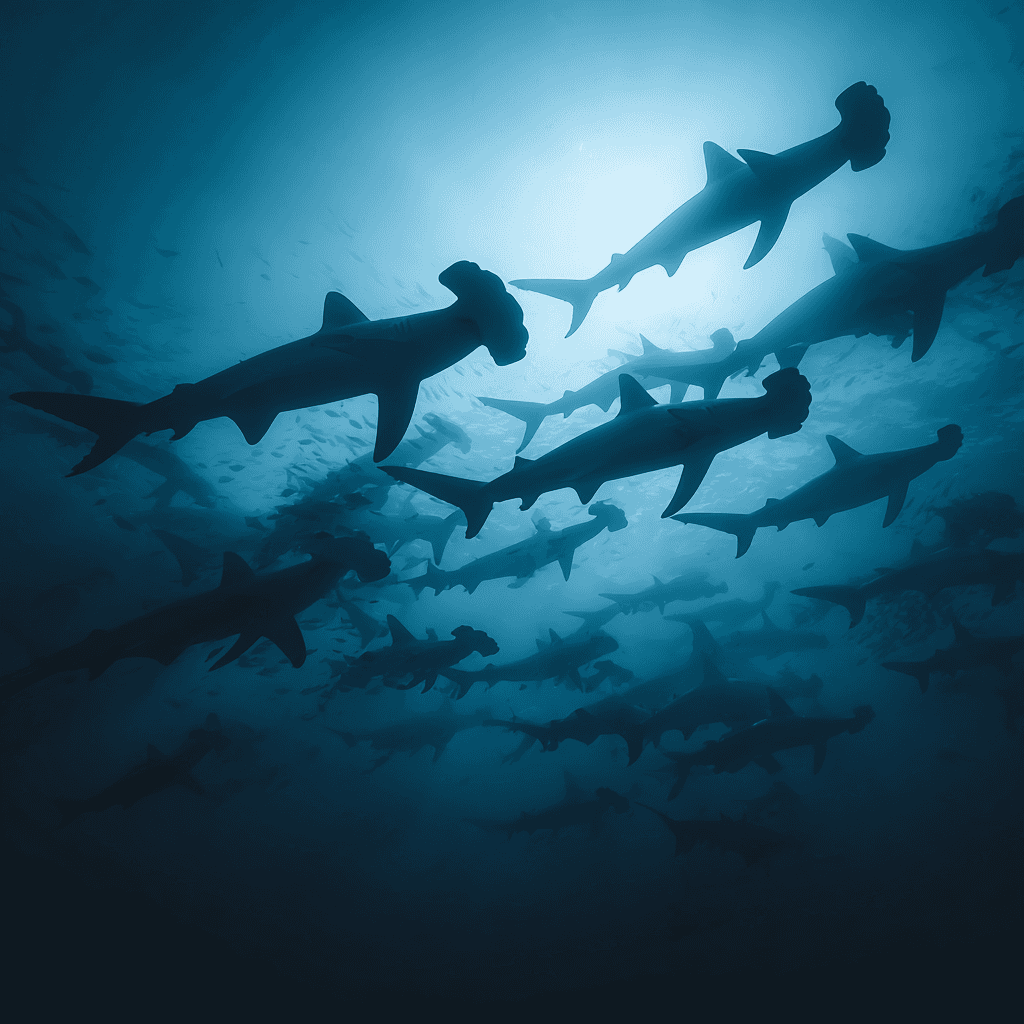
To drive 3x more donations for ocean education by 2026, address the $14.6 billion funding gap in marine protection. Funding for ocean philanthropy increased from $430 million in 2010 to $1 billion in 2022. The 10th Our Ocean Conference mobilized $9.1 billion in commitments, showcasing potential for impactful investments. Engaging in this movement can significantly enhance marine conservation efforts.
The Ocean Conservation Crisis: Why Traditional Fundraising Falls Short
The ocean conservation crisis is pressing, yet traditional fundraising methods often fall short. Many campaigns focus on immediate financial goals without effectively engaging potential donors in a meaningful way. This disconnect can lead to donor fatigue, diminishing returns, and a lack of sustained support.
To address this, immersive experiences are emerging as a powerful alternative. By creating engaging, story-driven encounters that highlight the urgency of ocean conservation, organizations can foster deeper emotional connections with their audience. As studies indicate, immersive experiences can enhance donor engagement significantly, encouraging contributions that are not just one-time gifts but part of a lasting commitment to the cause (The Ocean Agency).
Immersive Storytelling as a Conservation Catalyst
Immersive storytelling serves as a powerful catalyst for conservation by fostering emotional connections with audiences. By engaging visitors in compelling narratives about ocean ecosystems, organizations can inspire action and commitment. These experiences not only inform but also evoke empathy, driving home the importance of protecting marine environments.
Research shows that immersive storytelling can significantly enhance donor engagement, leading to increased contributions. When potential supporters feel invested in the stories of ocean life and the challenges it faces, they are more likely to become repeat donors, solidifying their commitment to conservation efforts (Ocean Conservancy).
This approach transforms passive audiences into active participants, encouraging them to share their experiences and advocate for the cause. By creating a community around shared narratives, organizations can cultivate a sense of belonging that extends beyond the initial encounter, further amplifying conservation efforts.
How Embodied Cognition Transforms Donor Engagement
Immersed in the principles of embodied cognition, donor engagement can take on a transformative quality. This approach emphasizes that our understanding of the world is deeply rooted in our physical experiences. By crafting immersive environments that allow donors to physically and emotionally engage with ocean conservation, organizations can create lasting impressions that resonate on a personal level.
When potential donors actively participate in these experiences, they form connections that transcend mere monetary transactions. The tactile and sensory elements of immersion evoke feelings of empathy and responsibility, making the cause feel immediate and personal. This shift from observation to participation not only enhances the emotional connection but also fosters a community of advocates who feel empowered to contribute over time.
Ultimately, by integrating embodied cognition into donor engagement strategies, organizations can cultivate deeper relationships with supporters. This leads to increased donations and a more robust, sustained commitment to ocean conservation efforts.
Destination Storytelling for Emotional Impact and Commitment
Destination storytelling transforms the way we connect with ocean conservation. By weaving compelling narratives into immersive experiences, organizations can evoke strong emotional responses that inspire commitment. These stories not only highlight the beauty and fragility of marine ecosystems but also invite donors to see themselves as integral parts of the solution.
Through engaging narratives, potential supporters can relate personally to the challenges faced by ocean life. When visitors become emotionally invested in these stories, they are more likely to deepen their commitment, turning one-time donations into sustained support. This powerful blend of storytelling and engagement fosters a community of advocates passionate about protecting our oceans.
Fulldome Technology: Redefining Ocean Education Experiences
Fulldome technology is revolutionizing ocean education by transforming how audiences experience marine ecosystems. By immersing visitors in stunning, 360-degree visuals, this innovative medium creates a captivating environment that deepens emotional engagement. When people feel completely surrounded by the ocean's wonders, they are more likely to connect with the narrative and recognize the urgency of conservation efforts.
This transformative approach not only entertains but also educates. Research suggests that immersive educational experiences can lead to increased retention of information, making it easier for participants to grasp complex environmental issues. As they emerge from these experiences, audiences are often inspired to take action, whether through donations or advocacy, making fulldome technology a powerful tool for fostering long-lasting commitment to ocean conservation initiatives (The Ocean Agency).
360-Degree Immersion and Multi-Sensory Engagement
Immersive ocean education leverages 360-degree immersion and multi-sensory engagement to create unforgettable learning experiences. By enveloping participants in a rich tapestry of sights, sounds, and even scents associated with marine environments, organizations can foster deep emotional connections to ocean conservation. This approach transforms passive learning into an active exploration, making the urgency of conservation feel immediate and vital.
The use of multi-sensory elements ensures that visitors don’t just observe; they feel and experience the ocean in a way that resonates personally. This heightened engagement can lead to increased empathy, motivating individuals to take action and support conservation efforts. When donors experience the ocean's beauty and fragility firsthand, they are more likely to commit to long-term support and advocacy for the cause.
By blending immersive technology with compelling narratives, organizations can cultivate a vibrant community of advocates passionate about preserving our oceans. This kind of engagement not only drives donations but also fosters a sense of shared responsibility, making each supporter feel like an integral part of the solution.
Real-Time Rendering and Interactive Conservation Narratives
Real-time rendering combined with interactive conservation narratives is a game changer in ocean education. This technology allows organizations to create dynamic, responsive environments that adapt to user interactions, making each experience unique and deeply engaging.
By incorporating real-time data and storytelling, visitors can explore marine ecosystems while witnessing the immediate impact of their actions. This not only enhances understanding but also fosters a sense of agency, encouraging individuals to contribute actively to conservation efforts. As users navigate these immersive experiences, they become integral to the narrative, transforming passive observation into meaningful participation.
Origin of Wonder's Ocean-Focused Immersive Solutions
Origin of Wonder's ocean-focused immersive solutions bring a fresh approach to ocean education and conservation. By harnessing cutting-edge technology and storytelling, these experiences transform how audiences interact with marine ecosystems. Visitors are not merely observers; they become active participants, enabling a deeper understanding of the challenges our oceans face.
Through immersive shows that blend visuals, sounds, and narratives, we create powerful emotional connections. This approach not only captivates but also inspires action, fostering a community of passionate advocates. When people engage with the ocean's beauty and fragility firsthand, they are more likely to support conservation initiatives, turning their experiences into a commitment to protect our seas (The Ocean Agency).
By focusing on the intersection of technology and storytelling, Origin of Wonder positions itself as a leader in immersive ocean education. Our solutions are designed to not just inform but transform, driving a more profound connection between individuals and the ocean, ultimately leading to increased support for conservation efforts.
Galápagos: Moments Where Evolution Comes Alive
The Galápagos Islands serve as a living laboratory for evolution, showcasing the extraordinary diversity of life that has adapted in remarkable ways. Visitors can immerse themselves in the rich stories of species like the iconic Galápagos tortoise and the finches that inspired Darwin's theory of natural selection. Each encounter offers a profound lesson in resilience and adaptation, highlighting the delicate balance of these unique ecosystems.
Through immersive experiences in the Galápagos, participants can witness firsthand the intricate relationships between species and their environments. Engaging with this vibrant biodiversity not only deepens appreciation but also instills a sense of responsibility for conservation efforts. The islands remind us that every small action contributes to the preservation of these evolutionary marvels, making it a critical destination for ocean education.
Immersive Destination Consulting for Marine Hubs
Immersive destination consulting for marine hubs is essential for creating impactful ocean education experiences. By integrating local narratives and cultural elements, we can transform marine spaces into engaging platforms for conservation. This tailored approach deepens connections between visitors and the ocean, making the urgency of conservation resonate on a personal level.
Through immersive consulting, marine hubs can leverage storytelling and technology to enhance visitor engagement. By crafting unique, site-specific experiences, organizations can inspire action and foster long-term commitment to ocean preservation. This strategy not only elevates donor engagement but also cultivates a vibrant community passionate about protecting our seas.
Ultimately, the synergy of immersive design and local context creates a compelling narrative that encourages active participation and support, ensuring that ocean conservation remains a shared priority for all.
Strategic Implementation: Multi-Use Immersive Venue Development
The development of multi-use immersive venues is crucial for enhancing ocean education and driving donor engagement. By integrating state-of-the-art technology with flexible space design, these venues can host a range of activities—from educational workshops to fundraising events. This versatility not only maximizes the use of resources but also creates an environment where storytelling and community engagement thrive.
In these immersive settings, visitors can interact with dynamic exhibits that bring ocean conservation narratives to life. By providing opportunities for hands-on learning and participation, organizations can deepen emotional connections to the ocean. This approach has been shown to significantly enhance donor commitment, as audiences feel more invested in the stories they experience (Ocean Agency).
Tourism Infrastructure Investment and Donation Hubs
Investing in tourism infrastructure and establishing donation hubs are essential steps in enhancing ocean conservation efforts. By creating inviting spaces that facilitate engagement, organizations can foster a sense of community and commitment among potential donors. These hubs not only serve as physical touchpoints for fundraising but also provide immersive experiences that highlight the urgency of ocean preservation.
Moreover, well-designed tourism infrastructure can elevate the visitor experience, transforming passive observers into active participants in conservation narratives. This approach encourages longer stays and repeat visits, ultimately leading to increased donations and heightened awareness of ocean issues. By intertwining tourism and conservation, organizations can cultivate a robust ecosystem of support that benefits both the ocean and the community.
Creating these donation hubs in key marine destinations allows organizations to harness the influx of visitors, ensuring that the stories of ocean conservation are heard loud and clear. By integrating immersive experiences with strategic fundraising initiatives, we can turn the tide on support for our oceans, driving meaningful contributions that extend well beyond initial visits.
Immersive Experiences in National Parks and UNESCO Heritage Sites
Immersive experiences in national parks and UNESCO Heritage Sites provide a unique platform for ocean education, creating a bridge between land and sea. These iconic locations offer rich narratives that can be woven into stories about marine ecosystems, enhancing visitor engagement and understanding.
By showcasing the interconnections between terrestrial and marine environments, organizations can deepen emotional connections with audiences. This approach not only highlights the beauty and fragility of ocean life but also inspires action, encouraging visitors to contribute to conservation efforts that extend beyond their immediate surroundings. Immersive experiences in these remarkable destinations can foster a sense of responsibility and advocacy, amplifying the impact of ocean conservation initiatives.
Ultimately, integrating immersive storytelling in national parks and UNESCO sites cultivates a holistic understanding of our planet's ecosystems, driving meaningful commitments to protect our oceans and their vital resources.
Case Studies: Transforming Destinations into Conservation Leaders
Transforming destinations into conservation leaders involves a thoughtful blend of immersive experiences and local narratives. By crafting unique, engaging stories, organizations can elevate the importance of ocean conservation in the minds of visitors and potential donors alike. This transformation not only enhances the visitor experience but also positions these destinations as vital players in the global conservation movement.
Through case studies, we see how immersive storytelling can turn local attractions into powerful advocates for ocean health. For instance, destinations that integrate educational narratives focused on marine ecosystems often report increased visitor engagement and contributions. By fostering a sense of responsibility and connection, these places can inspire long-term commitments to conservation efforts, driving home the message that every individual can make a difference (Ocean Agency).
In essence, the journey toward conservation leadership begins with the stories we tell and the experiences we create. By leveraging immersive experiences, we can not only educate visitors but also ignite a passion for the ocean that translates into meaningful action and support for conservation initiatives.
Marine Protected Areas as Immersive Education Anchors
Marine Protected Areas (MPAs) serve as essential anchors for immersive education, providing a unique platform to connect audiences with ocean conservation. By showcasing the rich biodiversity and intricate ecosystems within these protected zones, immersive experiences can spark curiosity and empathy among visitors.
Utilizing storytelling techniques, organizations can craft powerful narratives around the significance of MPAs, transforming complex scientific concepts into relatable experiences. This approach not only enhances understanding but also motivates individuals to support conservation initiatives actively, recognizing their role in preserving these vital marine habitats.
Measuring Visitor-to-Donor Conversion Metrics
Measuring visitor-to-donor conversion metrics is essential for understanding the effectiveness of immersive ocean education experiences. By tracking how many visitors transition into donors, organizations can gauge the emotional impact of their storytelling and engagement strategies. This data allows for informed adjustments, enhancing the overall experience to foster deeper connections.
Key metrics to monitor include the percentage of visitors who make a donation post-experience and the average donation amount. Additionally, analyzing visitor demographics and their engagement levels can provide insights into which narratives resonate most. This information helps refine strategies, ensuring that immersive experiences remain compelling and effective in driving long-term support for ocean conservation.
Ultimately, a systematic approach to measuring these conversion metrics not only helps in optimizing fundraising efforts but also strengthens the bond between visitors and marine preservation. By understanding these dynamics, organizations can create even more impactful experiences that inspire ongoing commitment to the cause.
Quantifying Impact: From Engagement to 3x Donation Growth
Engaging visitors through immersive ocean education can significantly amplify donor contributions. By transforming passive experiences into dynamic interactions, organizations can deepen emotional connections, leading to a meaningful increase in donations. Studies indicate that immersive storytelling can enhance visitor engagement rates, potentially tripling the average donations received (Ocean Agency).
As audiences become more emotionally invested, they transition from one-time givers to long-term supporters. This shift not only boosts immediate fundraising efforts but also fosters a community of advocates committed to ocean conservation. By measuring these impacts and refining strategies accordingly, organizations can ensure that immersive experiences translate into sustained financial support for vital conservation initiatives.
ROI Models for Immersive Ocean Education Infrastructure
The ROI models for immersive ocean education infrastructure reveal a promising landscape for funding and engagement. By creating experiences that resonate emotionally, organizations can significantly boost donor contributions. This holistic approach not only attracts immediate financial support but also cultivates long-term relationships, turning casual visitors into dedicated advocates for ocean conservation.
Investment in immersive technology and storytelling not only enhances the visitor experience but also optimizes resource allocation. Organizations can track engagement metrics, allowing for precise adjustments that maximize impact. As these immersive experiences unfold, they foster a deeper understanding of oceanic challenges, ultimately driving a sustainable commitment to conservation efforts.
Through strategic implementation, immersive ocean education can unlock new funding streams, demonstrating a clear return on investment that benefits both the cause and the community at large.
Conservation Outcome Tracking and Accountability
Tracking conservation outcomes and ensuring accountability are vital components of effective ocean education initiatives. By establishing clear metrics and benchmarks, organizations can measure the impact of immersive experiences on both visitor engagement and donor contributions. This data-driven approach allows for ongoing refinement of strategies, ensuring they resonate with audiences and drive meaningful action.
Moreover, transparency in reporting outcomes fosters trust and loyalty among donors. When supporters see tangible results from their contributions, they are more likely to engage continuously. By highlighting successes and areas for improvement, organizations can create a narrative that not only demonstrates accountability but also reinforces the importance of collective efforts in ocean conservation.
Incorporating these practices not only enhances the credibility of immersive programs but also strengthens the overall commitment to preserving our oceans. The result is a dynamic ecosystem where education, engagement, and accountability work together to inspire lasting change.
Scaling Ocean Education: The 2025 Roadmap
Scaling ocean education for impactful conservation requires a strategic roadmap to enhance engagement and drive donations. By 2025, organizations can leverage immersive storytelling techniques to create compelling narratives that resonate deeply with audiences. This approach not only fosters emotional connections but also ensures that visitors transform into advocates for ocean conservation.
Investing in innovative technology and multi-sensory experiences will play a crucial role in this roadmap. Research indicates that immersive experiences can significantly increase donor contributions, potentially tripling the average donations received (Ocean Agency). By focusing on interactive storytelling and real-time engagement, organizations can cultivate a community passionate about preserving our oceans, ensuring sustained support for vital conservation initiatives.
Frequently Asked Questions
How can immersive experiences increase donations for ocean conservation?
Immersive experiences can enhance emotional connections, leading to deeper engagement with potential donors. Research indicates that these experiences can increase contributions by up to 3x compared to traditional fundraising methods.
What types of immersive storytelling are most effective in conservation?
Effective immersive storytelling includes virtual reality experiences, interactive exhibits, and guided nature tours. These methods engage audiences emotionally and provide a deeper understanding of ocean ecosystems, inspiring more donations.
Why do traditional fundraising methods lead to donor fatigue?
Traditional fundraising often focuses on immediate financial goals without building relationships. This lack of engagement can cause donor fatigue, as supporters feel disconnected from the mission and less inclined to contribute over time.
Can immersive experiences lead to long-term donor commitments?
Yes, immersive experiences foster emotional connections that encourage lasting commitment. Studies show that donors who engage with compelling narratives are more likely to make recurring donations, supporting sustained conservation efforts.
What role does storytelling play in marine conservation efforts?
Storytelling is crucial as it connects audiences emotionally to the plight of ocean ecosystems. By sharing compelling narratives, organizations can inspire action and drive meaningful contributions, making conservation relatable and urgent.