
The $3.23 Trillion Question: Why Are We Still Taking Meaningless Trips?
Every year, over 1 million tourists make the pilgrimage to Machu Picchu, Peru's iconic Incan citadel perched 7,970 feet above sea level. They wake before dawn, battle crowds for the perfect Instagram shot, and leave a few hours later with thousands of photos but virtually zero understanding of what they've witnessed.
They've seen Machu Picchu. But have they understood it?
This isn't just about one destination. It's a fundamental crisis in modern tourism—one that's costing the industry billions in lost value while degrading the very sites travelers come to experience. The lack of meaningful engagement threatens cultural heritage preservation and the long-term sustainability of these iconic locations.
The Superficial Sightseeing Epidemic
The global sustainable tourism market was valued at USD 3.23 trillion in 2024 and is projected to reach USD 11.53 trillion by 2033, yet the majority of these "experiences" remain profoundly superficial.
Consider the typical tourist journey to any world wonder:
30 minutes in a crowded bus hearing generic facts
2-3 hours at the site, mostly spent navigating crowds and taking photos
Zero context about the cultural, historical, or ecological significance
Minimal behavioral impact on how they interact with the site
The result? Travelers leave with beautiful pictures and empty understanding. Destinations get revenue but face degradation. Everyone loses.
What Travelers Actually Want
61% of Gen Z and Millennial travelers prioritize travel plans focused on personal wellness and well-being experiences, which increasingly means seeking deeper meaning and authentic connections during their journeys.
68% of Gen Z travelers prefer adventure-based vacations, such as hiking, scuba diving, and cultural immersion experiences—not passive sightseeing.
The data is clear: modern travelers, especially younger demographics who represent the future of tourism, are hungry for immersive travel experiences that educate, inspire, and transform. They want to understand the "why" behind the "wow."
The Hidden Cost of Ignorance
When tourists don't understand what makes a destination special, the consequences ripple far beyond forgettable vacations:
For The Sites Themselves
Physical degradation from visitors who don't understand fragility
Cultural erosion when sacred spaces become mere photo backdrops
Unsustainable tourism patterns that concentrate damage
At Machu Picchu specifically, authorities have implemented increasingly strict visitor limits, timed entry tickets, and mandatory guided tours—all reactive measures addressing symptoms, not root causes.
For The Travelers
Forgettable experiences that blur together months later
Wasted investment in trips that don't deliver meaningful value
Missed opportunities for personal growth and cultural understanding
For Local Communities
Economic extraction without cultural appreciation
Resentment toward tourism that takes without giving back
Lost storytelling opportunities to share authentic narratives
The Education Gap: Why Traditional Methods Fail
You might wonder: Don't audio guides, museum displays, and tour guides already provide education?
They do—poorly.
Audio Guides: Generic, tedious, and easily ignored. Studies show most visitors skip large portions or abandon them entirely.
Museum Displays: Static, text-heavy, and competing with smartphone distractions. Reading plaques in crowded spaces isn't compelling.
Tour Guides: Variable quality, language barriers, and limited to small groups. Plus, they typically provide information during the visit when travelers are already overwhelmed.
None of these solutions transform understanding before the experience.
Enter: Immersive Destination Education
What if instead of arriving ignorant and leaving unchanged, travelers could be transformed before they even set foot on sacred ground?
This is the revolution happening in destination tourism—and it's powered by immersive storytelling technology and virtual reality travel experiences.
The Destination Portal Model
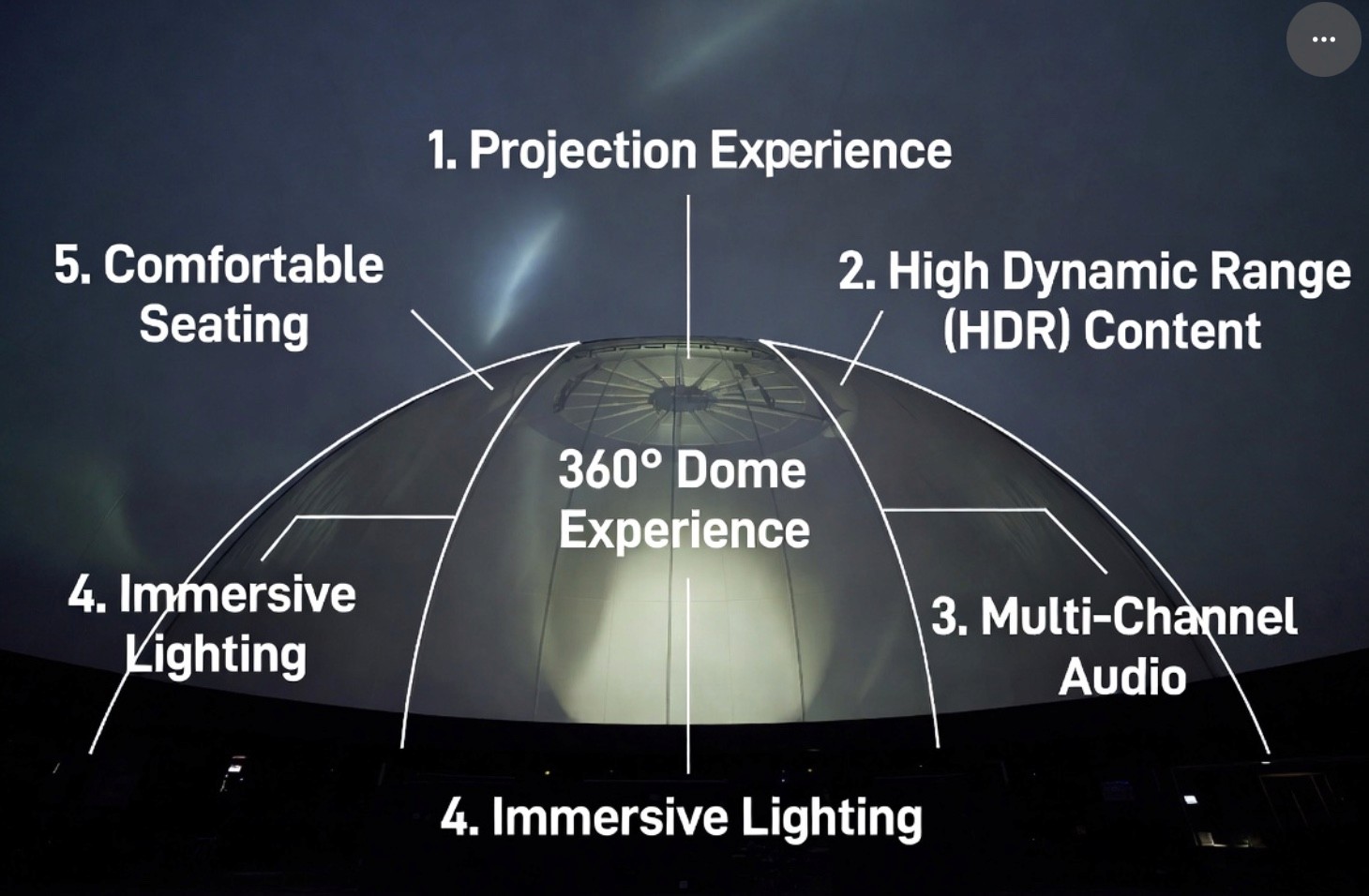
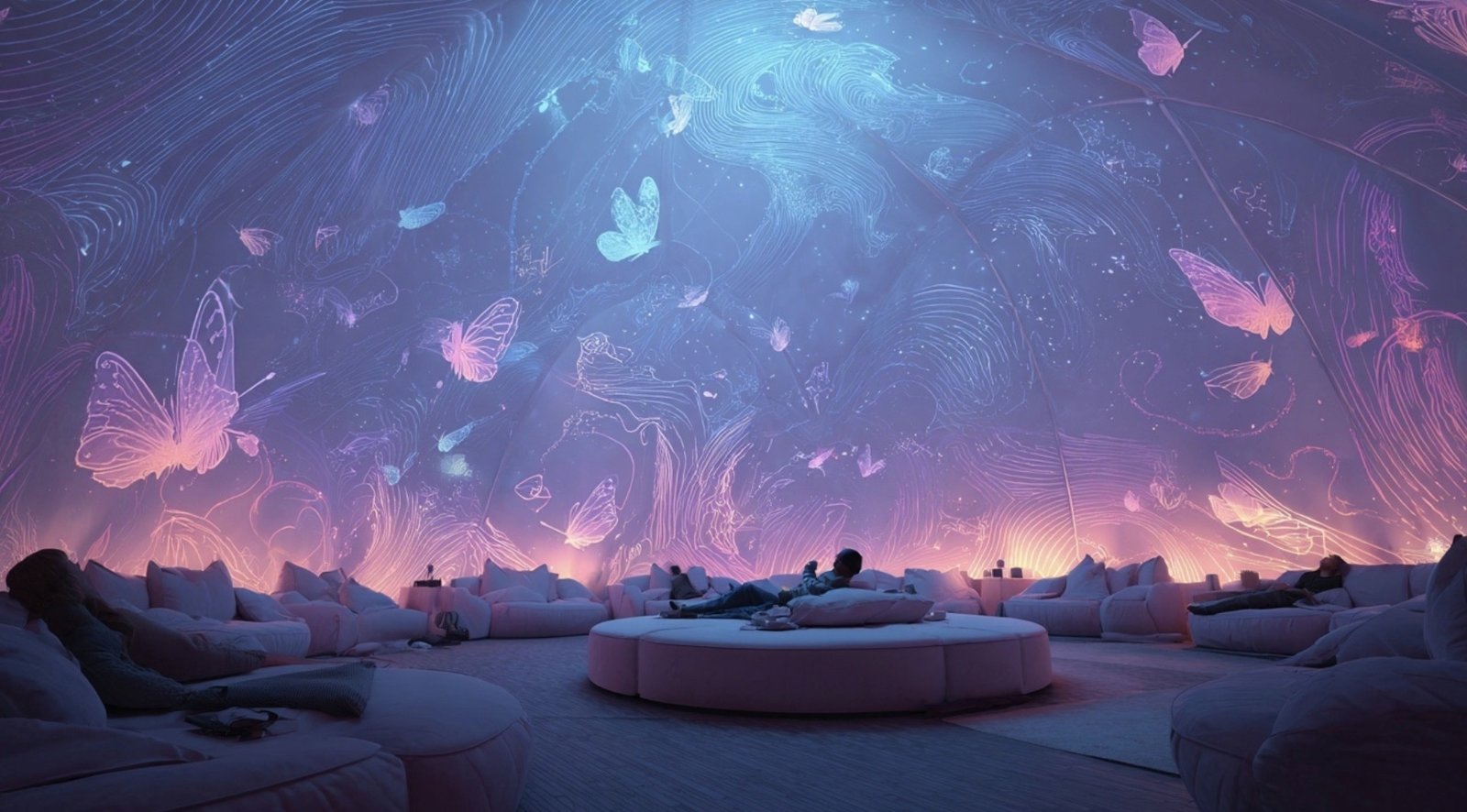
Imagine arriving at Machu Picchu's gateway town of Aguas Calientes. Before your sunrise climb, you step into an immersive fulldome theater—a 360-degree environment that transports you through time and space.
For 20 minutes, you:
Witness the Incan empire at its zenith through photorealistic 8K imagery
Understand the astronomical alignments that guided the citadel's construction
Experience the spiritual practices that made this a sacred space
See the fragile ecosystem and understand your role in protecting it
Connect emotionally with the story in ways static displays never achieve
When you emerge and finally climb to the site itself, you're not a tourist anymore. You're an informed advocate who understands what you're witnessing and why it matters.
The Psychology of Pre-Experience Education
Research in cognitive psychology and education reveals why this approach works where traditional methods fail:
Priming Effect: Information received before an experience creates mental frameworks that enhance perception and memory during the experience.
Emotional Engagement: Immersive storytelling creates emotional connections that static information cannot, leading to lasting behavioral change.
Context Before Content: Understanding the "why" before experiencing the "what" transforms passive observation into active discovery.
Reduced Cognitive Load: Learning in a comfortable, controlled environment (before the site visit) allows for deeper processing than learning while managing crowds, weather, and logistics.
Real-World Impact: When Understanding Precedes Experience
The transformation isn't theoretical. Destinations implementing pre-visit immersive education report:
23% reduction in rule violations and off-path walking
Increased dwell time at interpretive features (visitors actually read displays when they already have context)
Higher satisfaction scores and more positive reviews
Greater advocacy for conservation efforts and return visits
Better crowd distribution as educated visitors seek out lesser-known features
Most importantly: travelers remember these immersive tourism experiences years later, while traditional visits fade within months.
Technology Meets Storytelling: The 8K Revolution
Modern immersive education isn't possible without technological advances that have converged in recent years:
8K Resolution: Four times the detail of 4K, capturing textures and subtleties that create genuine presence.
360-Degree Fulldome Projection: Complete immersion that eliminates distractions and focuses attention.
AI-Assisted Production: A 2025 Smart Guide forecast predicts 70% of bookings will use AI by 2030, and AI is already reducing high-quality content production costs by 50%, making scalable deployment financially viable.
Spatial Audio: Sound that moves around viewers, creating three-dimensional presence.
Together, these technologies create virtual tourism experiences that don't feel like "learning"—they feel like discovery.
From Machu Picchu to Everywhere: Scalable Impact
The beauty of the destination portal model is its universal applicability:
National Parks: Reveal hidden biodiversity and ecosystem interconnections that trail hiking alone cannot convey.
UNESCO Heritage Sites: Animate centuries of history and cultural practices that ruins and artifacts only hint at.
Urban Destinations: Showcase local art, music, innovation, and cultural currents that tourists typically miss.
Marine Environments: Transport visitors underwater to witness fragile reef systems before snorkeling or diving.
Every destination has stories worth telling—and travelers who want to hear them through immersive travel experiences.
The Sustainable Tourism Connection
The U.S. sustainable tourism market size was valued at USD 830 billion in 2024 and is expected to reach USD 3100 billion by 2034, growing at a CAGR of 14.08%.
This explosive growth reflects travelers' increasing demand for experiences that don't just minimize harm but actively contribute to understanding and conservation.
Immersive pre-visit education directly supports sustainable tourism goals by:
Creating informed advocates for conservation
Reducing physical impact through better visitor behavior
Supporting local economies through deeper engagement
Preserving cultural narratives by making them accessible and compelling
The Future of Destination Experiences
The question isn't whether immersive destination education will become standard—it's how quickly.
In 2025, overall travel trends are leaning toward immersive, experience-driven stays that are preferably sustainable. Travelers are actively seeking these deeper experiences, and destinations that provide them will capture both market share and loyalty.
Within a decade, we'll look back at today's "see it and leave" tourism the way we now view smoking on airplanes—a relic of a less-informed era. Virtual reality tourism and virtual destination tours will likely play a significant role in this transformation.
What This Means for You
If you're a traveler: Seek out destinations offering immersive pre-visit experiences and virtual travel experiences. Your trip will be more memorable, meaningful, and impactful. Ask tourism boards if they partner with companies providing this type of education.
If you're a destination manager: The competitive advantage of immersive education is enormous. Early adopters will become known as premier destinations that respect both visitors and sites. This is your opportunity to lead rather than follow in providing immersive tourism experiences.
If you're an investor: The experiential travel market is exploding, and immersive destination education represents a scalable, high-margin segment with genuine social impact. Virtual reality travel and virtual tourism experiences are poised for significant growth.
From Seeing to Understanding: The New Standard
Tourism has always been about more than transportation and accommodation. At its best, travel transforms us—expanding perspectives, building empathy, and connecting us to the wider world.
But transformation requires understanding, and understanding requires education that goes beyond placards and audio guides. It requires immersive travel experiences that engage all the senses.
The next time you plan a trip to a world wonder, ask yourself: Do I want to just see it, or do I want to understand it?
Because once you've experienced the difference, you'll never go back to superficial sightseeing again.
Ready to transform your destination experience? Discover how immersive storytelling and virtual reality tourism are revolutionizing tourism education and creating informed advocates for the places we love.
Partner with Origin of Wonder to bring transformative destination education to your location.
📧 Email: lars@originofwonder.com 📱 WhatsApp: +49 160 90819576
Related Resources
UN Tourism: Measuring Sustainable Tourism
Sustainable Tourism Market Trends 2025
Gen Z Travel Preferences and Statistics
The Future of Experiential Travel