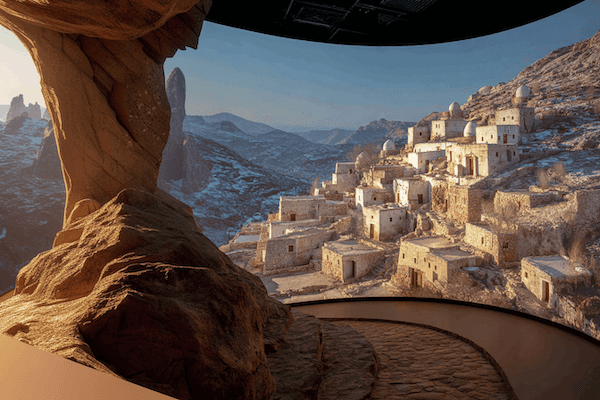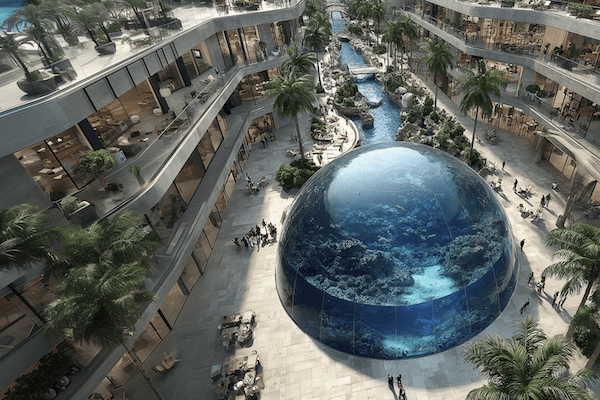
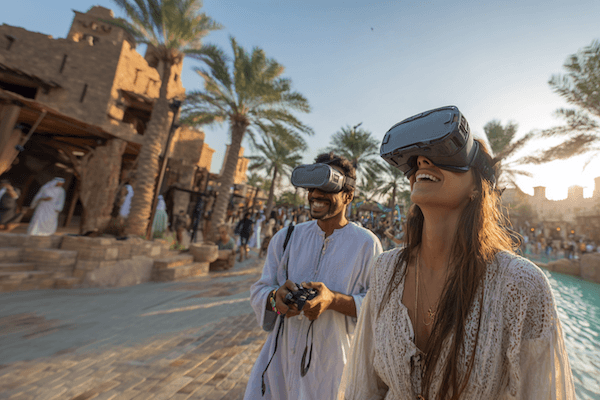
Saudi Vision 2030 aims to attract 150 million tourists annually, significantly increasing from recent years. By 2025, over 60 million tourists contributed $43 billion in spending. The Pilgrim Experience Program seeks to host 15 million Umrah pilgrims with an 85% satisfaction rate. NEOM's model preserves 95% of land for nature, while the Marafy project in North Jeddah, with 130,000+ residents, features the world's largest holography installation. This initiative transforms Saudi Arabia into a premier global destination.
Saudi Vision 2030: A Blueprint for Immersive Tourism Transformation
Saudi Vision 2030 marks a pivotal shift in how Saudi Arabia approaches tourism, aiming to transform the kingdom into a global immersive destination. The strategic framework emphasizes economic diversification and the development of unique, story-driven experiences that resonate with travelers. By integrating cultural narratives and modern technology, the vision seeks to enhance visitor engagement and foster a deeper understanding of the region’s rich heritage.
One of the ambitious goals is to attract one hundred fifty million tourists annually by 2030, a significant leap from current figures. Projects like the Marafy waterfront in North Jeddah highlight this transformation, featuring the Mukaab, the world's largest holography installation, set to captivate visitors with its innovative design and immersive storytelling. As excavation works approach completion, these developments signal a promising future for immersive tourism in Saudi Arabia (Saudi Vision 2030 Official Website).
Mega-Projects as Purpose-Built Immersive Destinations
Saudi Arabia's mega-projects are being designed as purpose-built immersive destinations, aligning perfectly with the goals of Vision 2030. These projects aim to create captivating experiences that encompass the kingdom's rich cultural and historical narratives, allowing tourists to engage deeply with their surroundings.
The Marafy waterfront in North Jeddah, featuring the Mukaab, is a prime example. This installation will be the world's largest holography project, pushing the boundaries of immersive storytelling. With excavation nearly complete, it's set to offer visitors a unique blend of art, technology, and local culture, making it a must-visit location for future travelers (Nesfircroft).
These immersive destinations are not just about tourism; they are about crafting meaningful experiences that resonate with visitors and foster a deeper appreciation for Saudi Arabia's heritage. As the country prepares to welcome millions of tourists, the strategic focus on storytelling and engagement sets the stage for a transformative travel experience.
The Red Sea Project: Conservation-Integrated Luxury Experiences
The Red Sea Project is a groundbreaking initiative blending luxury tourism with environmental conservation. This ambitious endeavor aims to create a series of high-end resorts and experiences along the stunning coastline, all while prioritizing the preservation of marine ecosystems. By focusing on sustainable design and responsible tourism practices, the project sets a new standard for how luxury and nature can coexist harmoniously.
Visitors to the Red Sea will not only indulge in opulent accommodations and services but also engage with the unique biodiversity of the region. Experiences like guided snorkeling and eco-tours will foster a deeper appreciation for the delicate balance of nature, inviting travelers to connect meaningfully with their environment. This approach ensures that luxury doesn't come at the expense of the planet, making it a model for future tourism developments.
As the project unfolds, it promises to redefine how we perceive luxury travel, blending leisure with a commitment to sustainability and conservation. The Red Sea Project stands as a testament to Saudi Arabia's vision for a future where tourism enriches both visitors and the natural world.
Amaala and Qiddiya: Storytelling Through Architectural Design
Amaala and Qiddiya are prime examples of how architectural design can tell compelling stories that resonate with visitors. Amaala focuses on luxury and wellness, nestled along the Red Sea, where each structure reflects the natural beauty and cultural heritage of the region. The design elements are carefully curated to create immersive experiences that invite guests to connect with their surroundings.
Qiddiya, on the other hand, is a hub for entertainment and culture, aiming to redefine leisure in Saudi Arabia. Its architecture is inspired by the kingdom's rich history and diverse landscapes, with spaces designed for adventure and exploration. Both projects showcase a commitment to storytelling through their designs, blending modern innovation with traditional narratives to create unforgettable experiences for travelers.
Technology Integration: Dome Theater and Digital Innovation in Destination Experiences
The integration of technology in destination experiences is set to revolutionize tourism in Saudi Arabia. Dome theaters and digital innovations are key components in crafting immersive environments that transport visitors into the heart of local stories and cultures. By utilizing cutting-edge audiovisual technology, these experiences create multisensory journeys that engage all five senses, leaving lasting impressions on travelers.
As part of Vision 2030, destinations like NEOM are pioneering the use of AI and virtual reality to enhance visitor engagement. Imagine stepping into a dome theater where historical events come to life through stunning visuals and soundscapes, making history feel immediate and real. This approach not only captivates audiences but also deepens their connection to Saudi Arabia’s rich heritage, allowing them to explore the kingdom in ways previously unimagined (r/travel).
Immersive Technology Infrastructure
The immersive technology infrastructure in Saudi Arabia is pivotal for realizing Vision 2030's ambitious tourism goals. By integrating advanced technologies like virtual reality, augmented reality, and artificial intelligence, the kingdom is set to create experiences that resonate deeply with visitors. This infrastructure supports the development of interactive exhibits and engaging storytelling platforms, inviting tourists to explore the rich narratives of Saudi culture and history.
At the forefront are dome theaters that offer innovative audiovisual experiences, transporting audiences into the heart of captivating stories. These immersive environments not only entertain but also educate, providing a multisensory journey that enhances understanding and appreciation of the region's heritage. As the kingdom invests in this cutting-edge technology, it positions itself as a leader in the global tourism landscape, setting new standards for engagement and interaction.
Digital Platforms and AI-Powered Storytelling
Digital platforms and AI-powered storytelling are revolutionizing how visitors connect with Saudi Arabia's cultural and historical narratives. By harnessing the power of advanced technology, these platforms create immersive experiences that allow travelers to engage with the local stories in dynamic ways. This innovation not only enhances visitor engagement but also fosters a deeper appreciation for the region’s rich heritage.
As part of the Vision 2030 initiative, the integration of digital solutions will enable real-time interactions and personalized experiences. Imagine using an app that brings historical sites to life through augmented reality or AI-generated narratives, guiding you through the stories that shaped the kingdom. Such technologies transform the visitor experience, making it more interactive and meaningful. These advancements signal a new era of tourism in Saudi Arabia, where technology and storytelling blend seamlessly to create unforgettable journeys.
Cultural Heritage Narratives and Destination Storytelling
Cultural heritage narratives are at the heart of Saudi Arabia's immersive destination storytelling. By weaving together the kingdom's rich history, diverse cultures, and natural wonders, these narratives offer travelers a deeper understanding of the region. This approach transforms simple visits into meaningful experiences, allowing tourists to connect with the stories that have shaped Saudi Arabia over centuries.
The Vision 2030 initiative emphasizes the importance of these narratives in attracting visitors. By creating environments where stories come alive through interactive displays and cultural performances, the kingdom enhances visitor engagement. As a result, tourists not only observe but participate in the cultural tapestry of Saudi Arabia, enriching their travel experience and fostering a sense of connection to the destination's heritage (NEOM).
UNESCO Recognition and Historical Immersion
Saudi Arabia's commitment to UNESCO recognition enhances its potential for historical immersion. By showcasing its rich heritage and cultural landscapes, the kingdom aims to create immersive experiences that resonate deeply with visitors. UNESCO World Heritage Sites, like Al-Hijr (Madain Salih), serve as focal points for storytelling, allowing travelers to engage with the narratives that shaped the region.
The integration of UNESCO sites into immersive tourism not only preserves these treasures but also elevates the visitor experience. Through innovative design and technology, destinations can bring history to life, encouraging a profound connection with Saudi Arabia’s past. This approach fosters a sense of responsibility among tourists, inviting them to appreciate and protect the cultural legacy of the kingdom.
As Saudi Arabia moves toward its Vision 2030 goals, the emphasis on UNESCO recognition and historical immersion reflects a broader strategy to position itself as a leader in cultural tourism. This dedication to heritage ensures that visitors leave with a meaningful understanding of the stories that define this vibrant region.
Creating Authentic Visitor Narratives
Creating authentic visitor narratives is crucial for engaging travelers in Saudi Arabia's immersive destinations. By weaving together local stories, cultural traditions, and historical context, each experience becomes a journey into the heart of the region's rich heritage. This narrative approach allows visitors to connect personally with the places they explore, creating a sense of belonging and understanding.
The use of skilled storytellers and interactive exhibits enhances these narratives, making them relatable and memorable. By inviting tourists to participate in cultural performances or guided tours, Saudi Arabia fosters a deeper appreciation for its diverse heritage. This connection transforms mere sightseeing into meaningful experiences, enriching the overall travel journey.
As the nation moves forward with Vision 2030, these authentic narratives will be essential in attracting global visitors, ensuring that they leave with lasting impressions and a newfound respect for Saudi Arabia's cultural landscape.
Conservation and Sustainability Framework for Immersive Destinations
The Conservation and Sustainability Framework for immersive destinations in Saudi Arabia is essential to achieving the ambitious goals set forth by Vision 2030. This framework emphasizes the importance of integrating environmental stewardship into tourism development, ensuring that the country’s natural landscapes and cultural heritage are preserved for future generations. By prioritizing sustainable practices, Saudi Arabia aims to create experiences that not only attract visitors but also educate them about the region's unique ecosystems.
Initiatives like the Red Sea Project exemplify this commitment, combining luxury tourism with conservation efforts. High-end resorts are designed to enhance visitor experiences while protecting local marine biodiversity. This dual focus fosters a sense of responsibility among travelers, encouraging them to engage with and appreciate the natural beauty surrounding them. Such efforts are crucial for fostering a tourism model that thrives without compromising the environment, paving the way for a sustainable future in Saudi Arabia’s tourism landscape (Global Explorer).
Global Benchmarking: Comparative Analysis with Iconic Immersive Destinations
Saudi Arabia is positioning itself alongside iconic immersive destinations through strategic benchmarking. By examining global leaders in immersive tourism, such as Disneyland and Universal Studios, the kingdom can adopt best practices in storytelling, technology integration, and visitor engagement. These benchmarks offer valuable insights into creating environments where narratives come alive, enhancing the overall traveler experience.
The aim is to blend Saudi Arabia's rich cultural heritage with modern technology, crafting experiences that resonate on multiple levels. This approach not only enriches the visitor's journey but also fosters a deeper appreciation for the region's history. As the kingdom prepares to welcome millions, leveraging successful models from around the world will be critical in achieving its ambitious tourism goals (Global Explorer).
Lessons from Galápagos and Machu Picchu Models
The Galápagos Islands and Machu Picchu serve as powerful models for Saudi Arabia's immersive tourism aspirations. Both destinations highlight the importance of integrating local culture and natural beauty into the visitor experience. In the Galápagos, strict conservation measures protect unique ecosystems while offering travelers meaningful interactions with nature, emphasizing sustainability as a core principle.
Machu Picchu exemplifies how storytelling, enhanced by stunning landscapes, can transform a historical site into a global attraction. By fostering emotional connections through guided tours and cultural narratives, it invites visitors to reflect on their journey. Adopting similar strategies in Saudi Arabia can enhance engagement, ensuring that every visit becomes an unforgettable exploration of the kingdom's rich heritage.
Differentiation Strategy and Competitive Positioning
Saudi Arabia's differentiation strategy in the immersive tourism sector focuses on weaving together cultural narratives, cutting-edge technology, and sustainable practices. By creating experiences that are not only visually stunning but also rich in storytelling, the kingdom aims to stand out in a competitive market. Each destination is designed to resonate with the values and interests of a diverse global audience.
The competitive positioning leverages iconic sites and innovative projects like the Red Sea Project and Marafy waterfront. These attractions aren't just about luxury; they emphasize environmental conservation and cultural appreciation, ensuring that visitors leave with a meaningful connection to the region. By aligning tourism development with the principles of Saudi Vision 2030, the country is setting a new benchmark for immersive experiences that blend tradition with modernity.
This strategic approach ensures that Saudi Arabia not only attracts millions of tourists but also fosters a deeper understanding of its rich heritage, positioning the kingdom as a leader in the global tourism landscape.
Infrastructure Scaling: Supporting 150 Million Annual Visitors
Saudi Arabia's ambitious goal of attracting 150 million tourists annually by 2030 necessitates a robust infrastructure that can support this influx. This transformation involves not only enhancing transportation systems and accommodations but also ensuring that immersive experiences are seamless and accessible. The focus is on creating a visitor-friendly environment that encourages exploration and engagement with the kingdom's rich cultural tapestry.
To achieve this, significant investments in infrastructure are underway. This includes upgrading airports, expanding public transportation networks, and developing smart city technologies that streamline visitor experiences. By prioritizing these enhancements, Saudi Arabia is setting the stage for an extraordinary tourism landscape that will captivate travelers from around the globe, ultimately reshaping perceptions of the region as a premier destination for immersive experiences (Visit Saudi).
Strategic Implications and Future Vision Through 2030 and Beyond
Saudi Vision 2030 is not just a roadmap for tourism; it’s a transformative initiative that aims to redefine the very essence of travel in Saudi Arabia. By focusing on immersive experiences that blend culture, technology, and sustainability, the kingdom positions itself as a leader in the global tourism landscape. This strategic vision prioritizes the creation of unique environments where visitors can engage deeply with the rich heritage and natural wonders of the region.
Looking ahead, the integration of advanced technologies—such as AI, virtual reality, and immersive storytelling—will play a crucial role in enhancing visitor experiences. These innovations will allow travelers to connect with the narratives of Saudi Arabia in ways that resonate personally, transforming their journeys into memorable explorations. As the kingdom strives to welcome millions of tourists annually, the emphasis on authentic, story-driven experiences will be essential in building lasting connections with visitors (Travel and Tour World).
This future vision extends beyond mere attraction; it encompasses a commitment to sustainability and cultural preservation. By embedding these principles into every aspect of tourism development, Saudi Arabia seeks to ensure that its natural and cultural treasures remain vibrant for generations to come. As the nation moves toward 2030 and beyond, this holistic approach will not only enhance the visitor experience but also foster a deeper appreciation for the diverse narratives that define Saudi Arabia.
Frequently Asked Questions
What are the main goals of Saudi Vision 2030 regarding tourism?
Saudi Vision 2030 aims to attract 150 million tourists annually by 2030, focusing on economic diversification and creating immersive, story-driven travel experiences that highlight the kingdom's cultural heritage.
How is technology being integrated into Saudi tourism projects?
Saudi Arabia is incorporating advanced technologies like holography, exemplified by the Mukaab installation in the Marafy waterfront, designed to enhance visitor engagement through innovative storytelling and immersive experiences.
What is the significance of the Marafy waterfront project?
The Marafy waterfront in North Jeddah is a key project under Saudi Vision 2030, featuring the world's largest holography installation, the Mukaab, aimed at transforming the area into a captivating immersive destination.
How does Saudi Vision 2030 aim to enhance visitor engagement?
By combining cultural narratives with modern technology, Saudi Vision 2030 seeks to create unique experiences that foster a deeper understanding of the region's heritage while enhancing overall visitor engagement.
What impact will Saudi Vision 2030 have on the local economy?
The initiative is expected to significantly boost Saudi Arabia's economy by diversifying tourism revenues, creating jobs, and facilitating investment in infrastructure, ultimately leading to sustainable economic growth.