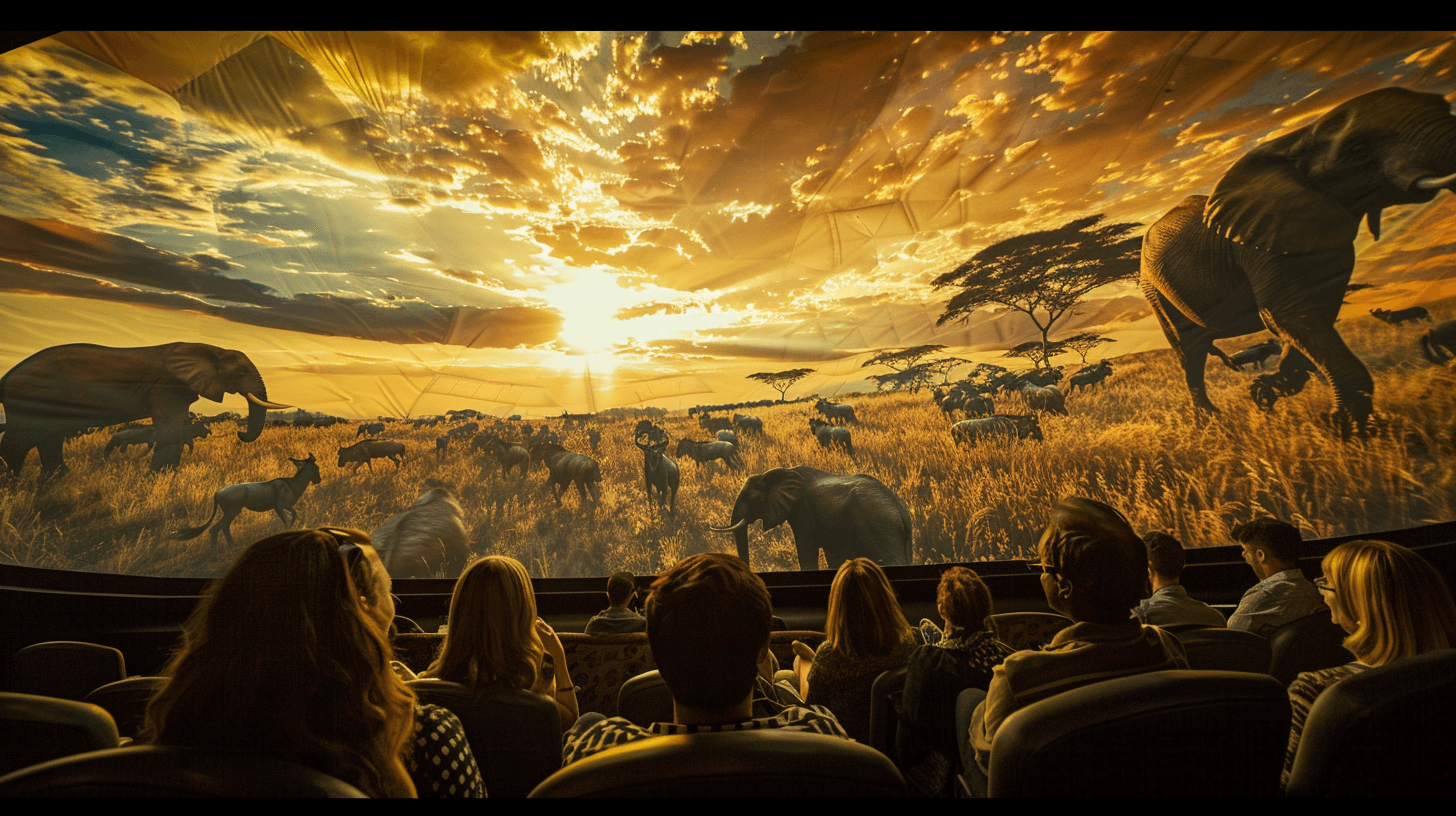
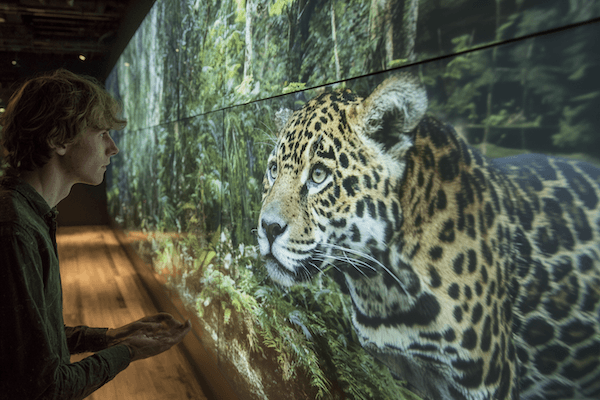
Dome theaters provide immersive experiences that inspire conservation and protect fragile ecosystems. Each seat offers a unique perspective, allowing audiences to explore vulnerable habitats without the environmental impact of traditional tourism. This innovative technology not only enhances tourist engagement but also fosters pride in local communities, making it a vital tool for sustainable tourism and ecosystem preservation.
Introduction: When Conservation Meets Innovation
In a world where tourism often strains fragile ecosystems, the integration of immersive technology offers a transformative path forward. By harnessing cutting-edge innovations, we can create experiences that captivate visitors while promoting conservation. This blend of storytelling and technology invites travelers to engage deeply with nature without leaving a substantial footprint.
Immersive tech solutions, like dome theaters, provide a unique opportunity to experience delicate environments virtually. These innovations allow visitors to explore and appreciate natural wonders while minimizing the impact of physical tourism. As a testament to this, immersive experiences can serve as a game-changer for conservation-minded travelers, ensuring that the beauty of our parks is preserved for future generations (r/virtualreality).
The Conservation-Tourism Paradox: More Visitors, Greater Risk
The growing influx of tourists to natural parks and cultural sites presents a dilemma. While increased visitation can boost local economies, it also elevates the risk of environmental degradation and overuse of resources. Balancing these competing interests is essential to ensure that these treasured spaces remain intact for future generations.
Immersive technology offers a promising solution to this paradox. By providing virtual experiences that replicate the beauty and wonder of these locations, we can engage travelers without physically impacting the land. For instance, dome theaters create stunning 360-degree visuals that immerse viewers in the essence of parks, allowing them to appreciate the landscapes from afar. This innovative approach not only alleviates crowding but also fosters a deeper connection to nature, encouraging a conservation mindset among visitors (Fort Worth Museum).
Dome Theater Technology: Redefining Destination Immersion
Dome theater technology is revolutionizing how we experience natural landscapes while promoting conservation. By providing stunning 360-degree visuals and immersive storytelling, these theaters allow visitors to feel as if they are within the heart of a national park, without the environmental toll of physical tourism. This experience not only captivates audiences but also fosters a deeper appreciation for the delicate ecosystems at stake.
As travelers increasingly seek meaningful connections with nature, dome theaters serve as an excellent alternative to overcrowded sites. They enable people to engage with breathtaking visuals and spatial audio that enhance the storytelling experience. According to Adam Smith, President and CEO of Exploration Place, this technology can create an emotional bond that inspires visitors to advocate for conservation efforts (Exploration Place).
Full-Dome Architecture and 360-Degree Projection Systems
The full-dome architecture paired with 360-degree projection systems is a game-changer for immersive experiences. These theaters envelop audiences in breathtaking visuals that replicate the intricacies of national parks and cultural landscapes, allowing for a visceral connection to nature without the ecological footprint of traditional tourism.
Incorporating advanced projection technology, these domes create a seamless visual narrative that captivates viewers. The immersive environment fosters understanding and appreciation of delicate ecosystems, encouraging a conservation ethic among visitors. By engaging multiple senses, these experiences invite travelers to explore and reflect on the beauty of our planet while promoting responsible stewardship.
As immersive technologies continue to evolve, the potential for full-dome theaters to redefine how we interact with our natural world only grows stronger. They serve as a vital tool in bridging the gap between tourism and conservation, ensuring that future generations can enjoy and protect these extraordinary places.
Advanced Sensory Integration: Audio, Haptics, and Environmental Effects
Integrating advanced sensory elements like audio, haptics, and environmental effects amplifies the immersive experience within dome theaters. Spatial audio envelops visitors, creating a soundscape that mimics the natural environment, while haptic technology allows them to feel vibrations that represent wind or the gentle rustle of leaves. This multisensory approach deepens emotional connections, making the experience more memorable.
Additionally, environmental effects such as temperature changes or scents can be incorporated to simulate the climate or flora of specific parks. These elements transform a simple viewing into a fully immersive journey, encouraging visitors to engage with the narratives of conservation and environmental stewardship. By stimulating multiple senses, we can inspire a greater appreciation for the delicate ecosystems our parks protect.
This holistic immersion not only captivates audiences but also fosters a lasting commitment to conservation efforts, ensuring that the beauty of our natural landscapes is preserved for generations to come.
Immersive Storytelling as Conservation Strategy
Immersive storytelling serves as a powerful conservation strategy by fostering emotional connections between visitors and the natural world. By presenting captivating narratives within immersive environments, we can inspire a sense of responsibility and stewardship toward the ecosystems we cherish. This approach not only educates visitors but also encourages them to advocate for the protection of these vital spaces.
As audiences engage with immersive experiences, they are more likely to reflect on their role in conservation efforts. The combination of stunning visuals, compelling stories, and interactive elements creates an unforgettable experience that resonates with travelers long after they leave the theater. As a result, immersive storytelling becomes a catalyst for positive change, cultivating a generation of environmentally conscious individuals who are committed to preserving our planet’s extraordinary landscapes (Origin Of Wonder).
Creating Emotional Connection Without Physical Damage
Immersive technology allows us to forge emotional connections with nature without the physical damage often associated with traditional tourism. By creating virtual environments that replicate the beauty and intricacies of our natural parks, visitors can engage deeply with these landscapes while minimizing their ecological impact. This innovative approach not only preserves fragile ecosystems but also fosters a sense of responsibility for their protection.
The use of advanced sensory elements enhances this emotional connection, making each experience feel more authentic and memorable. Visitors are enveloped in soundscapes and visuals that transport them to serene natural settings, encouraging a profound appreciation for the delicate balance of these ecosystems. As a result, immersive experiences become a bridge to understanding and stewardship, inspiring travelers to advocate for conservation efforts long after they leave the virtual realm.
By prioritizing emotional engagement through immersive storytelling, we can create lasting relationships between people and the environments they cherish, ensuring that our natural wonders remain protected for generations to come.
Destination Narratives: From Natural Wonder to Cultural Heritage
Immersive destination narratives blend the beauty of natural wonders with the richness of cultural heritage, creating a compelling tapestry that resonates with travelers. By weaving together stories that highlight the significance of landscapes and their histories, immersive experiences deepen visitors’ understanding and appreciation of the places they explore. This narrative approach fosters a connection that goes beyond mere sightseeing, inviting travelers to become part of the story.
As we integrate advanced technologies like dome theaters, these narratives can be brought to life in ways that were previously unimaginable. The combination of stunning visuals and immersive storytelling not only captures the essence of a destination but also emphasizes the importance of conserving these unique environments and their cultural contexts. Ultimately, such experiences nurture a sense of responsibility among visitors, encouraging them to engage actively in preservation efforts.
Through immersive storytelling, we create a shared space where natural beauty and cultural heritage intersect, inspiring a new generation of environmentally conscious travelers who appreciate both the wonders of our planet and the stories that define it.
Real-World Applications: UNESCO Heritage Sites and National Parks
Immersive technology has immense potential for UNESCO Heritage Sites and national parks, enhancing visitor engagement while promoting conservation. Through virtual experiences, travelers can explore these iconic locations without contributing to the physical wear and tear that often accompanies high foot traffic. This innovative approach not only preserves the integrity of these sites but also enriches the educational aspect, helping visitors understand their cultural and ecological significance.
By integrating immersive storytelling with advanced projection systems, we foster a deeper connection between audiences and the narratives of these treasured locations. As visitors experience the rich histories and natural wonders of UNESCO sites and national parks through immersive technology, they are more likely to develop a sense of responsibility towards their preservation. The emotional engagement sparked by these experiences can inspire a commitment to conservation that extends beyond the virtual realm (Drone Light Festival).
Galápagos: Immersive Evolution Without Ecosystem Pressure
Immersive experiences in the Galápagos Islands offer an innovative way to explore this unique ecosystem without adding pressure to its fragile environment. By utilizing advanced dome theater technology, visitors can engage with the rich biodiversity and evolutionary significance of the islands from a comfortable, controlled setting. This approach not only minimizes ecological impact but also fosters a deeper understanding and appreciation of the delicate balance within these ecosystems.
Travelers can virtually encounter the iconic species of the Galápagos, witnessing their behaviors and habitats as if they were physically present. This powerful storytelling method enhances emotional connections, encouraging conservation-minded attitudes among visitors. By immersing audiences in the Galápagos’ narratives, we inspire a commitment to protecting these extraordinary landscapes for generations to come.
Machu Picchu and Sacred Sites: Preserving Integrity Through Virtual Access
Immersive technology plays a crucial role in preserving the integrity of Machu Picchu and other sacred sites. By offering virtual access, we can allow visitors to appreciate these iconic locations without the physical wear and tear that often accompanies high tourist traffic. This approach not only safeguards the fragile ecosystems but also enhances the educational experience, enabling travelers to connect deeply with the cultural and historical significance of these sites.
Furthermore, virtual experiences can deliver rich narratives that highlight the importance of preservation. As visitors engage with immersive storytelling, they develop a sense of responsibility and stewardship toward these remarkable sites. This emotional connection fosters a commitment to conservation, inspiring travelers to advocate for the protection of such places long after their virtual journey ends.
Economic Impact: Tourism Revenue and Infrastructure Investment ROI
The economic impact of immersive technology in tourism can be profound, significantly increasing revenue while minimizing infrastructure strain. By providing virtual experiences, we attract visitors who might otherwise contribute to overcrowding in popular destinations. This not only preserves the natural environment but also allows local businesses to thrive through increased tourism revenue generated from innovative experiences that engage travelers without the physical footprint.
Investments in immersive technology, such as dome theaters, yield an impressive return on investment (ROI). These installations can attract diverse audiences, leading to heightened engagement and longer visitor stays. For instance, immersive experiences can enhance educational programs, drawing in school groups and families eager for unique learning opportunities. As tourists become more aware of conservation issues and the importance of preserving natural sites, their willingness to support related businesses and initiatives grows, creating a sustainable economic cycle (Clark Planetarium).
Measuring Visitor Engagement and Secondary Spending
Engaging visitors through immersive experiences not only enhances their connection to nature but also significantly impacts secondary spending in local economies. When tourists are captivated by a virtual exploration of a destination, they are more likely to invest in local businesses, including dining, shopping, and accommodations. This heightened engagement translates into tangible economic benefits for communities surrounding national parks and cultural sites.
Moreover, immersive technology encourages longer stays and repeat visits. As travelers share their experiences and recommend immersive attractions, word-of-mouth promotion amplifies interest and draws more visitors. This cycle of engagement and spending contributes to a sustainable economic model, ensuring that both local businesses and conservation efforts thrive together. By fostering a deeper connection to the places they visit, immersive experiences create a win-win scenario for tourism and environmental stewardship.
Multi-Use Immersive Venues: Beyond Traditional Attractions
Immersive venues represent a significant evolution in how we experience travel, moving beyond traditional attractions to create multi-use spaces that engage visitors in new, meaningful ways. These environments can host a variety of events, from educational workshops to cultural performances, all while leveraging immersive technology to enhance the experience. By embracing flexibility, such venues can adapt to diverse visitor needs, making them ideal for both conservation-focused initiatives and community engagement.
The integration of immersive storytelling within these venues not only enriches visitor interaction but also serves as a platform for promoting conservation and cultural awareness. As audiences participate in multi-sensory experiences, they develop a stronger emotional connection to the stories being told. This connection can inspire greater advocacy for the preservation of both natural and cultural heritage, ensuring that the significance of these sites resonates well beyond the initial visit (Exploration Place).
Implementation Framework: From Concept to Launch
Implementing immersive technology in tourism involves a structured framework that guides the journey from concept to launch. Initially, stakeholders must collaborate to define clear objectives, focusing on conservation outcomes and visitor engagement. This collaborative approach ensures that the immersive experiences resonate with the target audience while aligning with conservation goals.
The next phase involves developing the technical specifications and content for the immersive experience. This includes choosing the right technology, such as dome theaters, and crafting narratives that effectively convey the significance of the natural and cultural heritage being showcased. By prioritizing storytelling alongside cutting-edge technology, we can create compelling experiences that deepen visitors’ connections to these valuable ecosystems.
Finally, testing and refining the immersive experience before launch is crucial. Gathering feedback through pilot programs allows for adjustments that enhance both visitor engagement and educational impact. Once launched, ongoing evaluation will ensure that the technology and narratives remain relevant and effective, creating a sustainable model that benefits both conservation efforts and local communities (Clark Planetarium).
Phased Deployment and Content Production Strategy
Phased deployment and content production are critical for integrating immersive technology into tourism, particularly for conservation-focused initiatives. This strategy involves a step-by-step approach, starting from concept development to content creation and implementation. Each phase aims to align with both conservation goals and visitor engagement metrics.
Initially, collaboration with local stakeholders is essential to define objectives and ensure that the narratives resonate with the target audience. This collaboration sets the groundwork for effective storytelling that enhances the immersive experience. Following this, the production of content—including visuals, audio, and interactive elements—must reflect the ecological and cultural significance of the destinations, fostering a deeper connection with visitors.
Finally, ongoing evaluation and refinement of the content is vital post-launch. Feedback mechanisms should be in place to assess visitor engagement and educational impact, ensuring that the immersive experiences remain relevant and effective. This adaptive approach not only enhances visitor satisfaction but also supports long-term conservation efforts.
Conclusion: The Future of Sustainable, High-Impact Tourism
As we look to the future, the integration of immersive technology in tourism presents a pathway to sustainable, high-impact experiences. By leveraging innovations like dome theaters, we can offer visitors a chance to connect with nature and culture without contributing to environmental degradation. This approach not only captivates audiences but also fosters a sense of responsibility toward conservation.
The potential for immersive experiences to reshape tourism is immense. They invite travelers to engage deeply with the stories of our natural and cultural heritage, inspiring a commitment to preservation that extends beyond the virtual realm. As tourism evolves, these technologies will play a crucial role in ensuring that our treasured ecosystems and cultural sites remain intact for generations to come (Drone Light Festival).
Frequently Asked Questions
How does immersive technology benefit conservation efforts?
Immersive technology allows visitors to experience nature virtually, reducing the physical impact on fragile ecosystems. This approach helps protect biodiversity while still engaging tourists in meaningful ways.
What types of immersive technologies are being used in parks?
Technologies like dome theaters, augmented reality apps, and virtual reality experiences are popular. They offer interactive storytelling that educates visitors about conservation without the need for physical presence.
Can immersive experiences really replace physical tourism?
While immersive experiences can't fully replace the excitement of being in nature, they significantly reduce environmental impact. Studies suggest that they can attract up to 30% more visitors while preserving ecosystems.
How can tourists find immersive tech experiences in parks?
Tourists can check official park websites or visitor centers for information on available immersive technology experiences. Many parks now promote virtual tours and educational programs that highlight these innovations.
What role do local communities play in implementing immersive technology?
Local communities are vital in promoting and developing immersive tech solutions. Collaborations can help ensure that these technologies are culturally relevant and economically beneficial, enhancing both conservation and tourism efforts.